Fix: “The Version of AMD Radeon Software That You Have Launched is not Compatible”
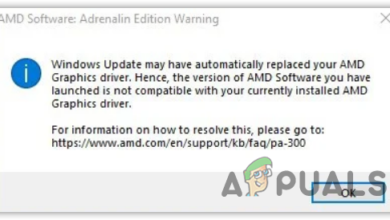
The popup “The version of AMD Radeon Software you have launched is not compatible with your currently installed graphics driver” appears when AMD Software: Adrenalin Edition and the AMD display driver loaded by Windows no longer belong together.
The GPU can still show video and run games because the display driver is active. What fails is the AMD control app, which refuses to open when it cannot manage the driver version currently installed on the PC.
This often shows up after Windows Update replaces the AMD display driver, an Adrenalin update only partly installs, a cleanup leaves old AMD files behind, or a laptop switches between AMD’s retail package and an OEM-customized driver.

| What you see | Start with |
|---|---|
| Only AMD Software will not open, but the AMD GPU appears normally in Device Manager. | Run AMD’s Compatibility Tool first. |
| The warning started after a failed Adrenalin update or several driver installs. | Cleanly rebuild the AMD driver and app from one package. |
| The driver page feels confusing, or this is a laptop/handheld/OEM system. | Use AMD Auto-Detect, the Product Selector, or the PC maker’s driver page. |
| The warning returns after Windows Update or after the next restart. | Stop Windows from recreating the mismatch, then reinstall or roll back. |
| The issue began right after one specific AMD release. | Install a previous compatible AMD package from the official AMD driver page. |
On a work or school PC, driver installation may also be controlled by organization policy. If driver settings are locked, use the approved OEM driver package or ask the administrator to stop Windows from replacing the AMD display driver.
1. Run AMD’s Software Compatibility Tool
AMD has an official Software Compatibility Tool for this exact popup. It checks the currently installed AMD graphics driver and installs a matching AMD Software version when one is available.
This helps when Windows still has a working AMD driver, but the Adrenalin app installed beside it is from the wrong package. It is the least disruptive fix because it repairs the app-driver mismatch without removing the entire graphics driver first.
This is not needed when the AMD GPU is disabled, missing from Display adapters, or showing a device error. In that case, rebuild the driver package instead.
If you are running a Windows Insider build and AMD cannot offer a matching app, install a stable AMD or OEM driver package instead of trying to repair Radeon Software alone.
- Close AMD Software, games, screen recorders, and GPU-monitoring tools.
- Open AMD’s official Software Compatibility Tool page.

- Download the tool from AMD and run it as an administrator.
- Let it check the installed AMD display driver and install the matching AMD Software build if it offers one.
- Restart Windows and open AMD Software: Adrenalin Edition again.
If AMD Software opens now, the driver was working and only the control app was mismatched. If the same popup returns, keep going below and rebuild the full AMD package.
2. Cleanly Rebuild the AMD Driver and Software Package
This happens when an update leaves Windows using one AMD display driver while Radeon Software belongs to another release. Reinstalling over that state may not help because Windows can keep reusing parts of the old package.
A clean rebuild forces the display driver and AMD Software to come from the same package again instead of sharing files from two different installs.
AMD’s Cleanup Utility is designed to remove previously installed AMD graphics and audio driver/software components before a fresh install.
AMD’s installation guidance also says a complete uninstall can reduce conflicts before installing a new Radeon Software package.
Do not use this to remove unrelated chipset drivers or devices. This cleanup is only for the AMD graphics driver and Radeon Software mismatch.
- Disconnect the internet temporarily if Windows tends to install a display driver immediately after reboot.
- Open Settings > Apps and uninstall AMD Software: Adrenalin Edition or any similar AMD Radeon Software entry.

- Open Device Manager and expand Display adapters. If the AMD GPU is disabled, choose Enable device, restart, and test AMD Software once before uninstalling anything.
- If the GPU is enabled but the error remains, right-click the AMD GPU and choose Uninstall device.

- If Windows shows Delete the driver software for this device, check it and confirm.

- Restart the PC.
- Install the correct AMD Software package from AMD’s official driver page or your PC maker’s support page.

- Restart again, reconnect the internet, and open AMD Software.
If you want a fuller walkthrough of AMD’s cleanup utility before removing the driver, Appuals has a separate AMD clean uninstall guide.
3. Install the Package That Matches the GPU and Windows Version
The warning can return when the driver package is technically AMD, but not the right one for the Radeon model, Windows version, or OEM laptop configuration.
Using the detected or OEM package prevents AMD Software from being paired with a driver made for a different Radeon family or vendor image.
AMD’s Auto-Detect and Install Tool checks the Radeon hardware and Windows version before recommending a package.
AMD’s driver-finding guide also points users to the Product Selector, Previous Drivers, and OEM drivers when a system needs a vendor-customized package.
This is not needed when you already know the exact desktop Radeon model and have installed the correct driver from AMD. It matters more on laptops, handhelds, prebuilt PCs, and systems with switchable graphics.
- Open AMD’s official driver support page and download the Auto-Detect and Install tool.

- Right-click the tool and choose Run as administrator.

- Let it scan the PC and recommend the driver package.
- Install the recommended package and restart when prompted.
- If Auto-Detect says the system is unsupported, use AMD’s Product Selector or the support page from the laptop, motherboard, or handheld manufacturer.
4. Keep Windows from Recreating the Mismatch
Windows Update can install a different AMD display driver after you have already installed AMD Software. When that happens, the driver still works for display output, but the Adrenalin app no longer matches it.
The Device Installation Settings screen can reduce automatic manufacturer app/device package behavior, but it is not a perfect block for every Windows Update driver. Treat it as one guardrail, not the whole fix.
This is most useful when the popup keeps coming back after a reboot or update. If Windows has already replaced the display driver, you still need to reinstall or roll back the AMD package after changing the setting.
- Press Windows + R to open Run.
- Type sysdm.cpl and press Enter.

- In System Properties, open the Hardware tab.
- Select Device Installation Settings.

- Select No for automatic manufacturer apps and custom icons.

- Click Save Changes.
- Restart the PC, then reinstall or roll back the AMD driver package once more.
For deeper Windows Update driver replacement cases, the Appuals Windows replaced AMD graphics driver guide covers rollback and driver-update blocking in more detail.
5. Roll Back or Install a Previous Compatible AMD Driver
Sometimes the mismatch starts after one AMD release. The app may update cleanly while the driver side does not settle on the same version.
Rolling back restores the last driver-app pair that opened correctly, which is safer than trying random driver mirrors.
AMD’s driver guide shows Previous Drivers on product pages, and the Product Selector can be used to choose the exact Radeon model and operating system before downloading.
This is not needed when the warning started after Windows Update installed a different driver; in that case, rollback may help, but the Windows replacement problem also needs to be controlled.
- Right-click Start and open Device Manager.

- Expand Display adapters and double-click the AMD GPU.
- Open the Driver tab.
- If Roll Back Driver is available, select it, follow the prompt, and restart.

- If rollback is unavailable or does not help, download a previous compatible AMD package from AMD’s official driver page for your exact GPU.
- Install that package, restart, and open AMD Software again.
If the popup survives across several clean official packages, recheck the exact GPU model, Windows version, and whether the system requires an OEM driver instead of AMD’s retail package.