How to Change the Windows Startup Sound?
The melody that is played at Windows’ startup is called the “Startup Sound” and every single version of the Windows Operating System to have ever been developed and distributed has always been shipped with its own unique startup sound. This also holds true for Windows 10, which has its own unique startup sound. Most users, however, get bored of hearing the same tune over and over again every single time their computer boots up, and some of these users even want to go as far as to change Windows 10’s default startup sound to something different.
Maybe you want to hear the Windows 98 startup sound when your Windows 10 computer boots up to get a blast from the past, or maybe you want to hear a drum roll when your computer boots up because why not? Well, fortunately, anything is possible as the Windows 10 startup sound can, indeed, be changed.
Changing Startup Sound
- Press “Windows” + “R” to open the Run prompt.
- Type in “regedit” and press “Enter”.
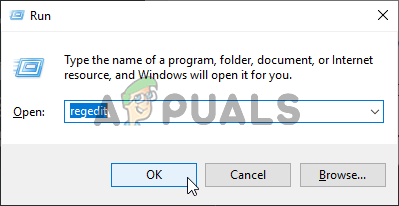
Opening the Registry Editor - Navigate to the following address.
Computer\HKEY_CURRENT_USER\AppEvents\EventLabels\
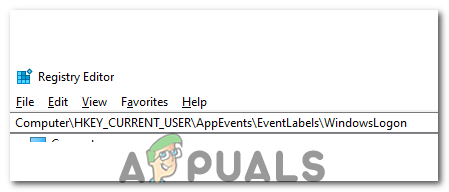
Navigating to the location - Double click on the “WindowsLogOn” folder.
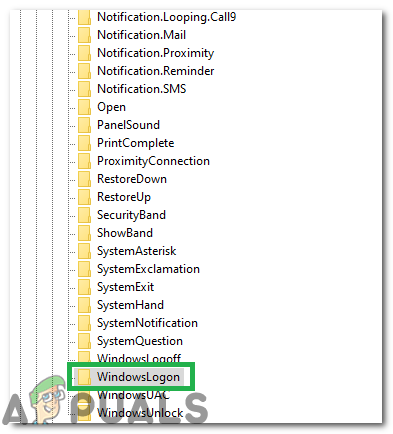
Clicking on the “WindowsLogOn” Folder - Double click on the “Exclude from CPL” option and change the “Hexadecimal” to “0”.
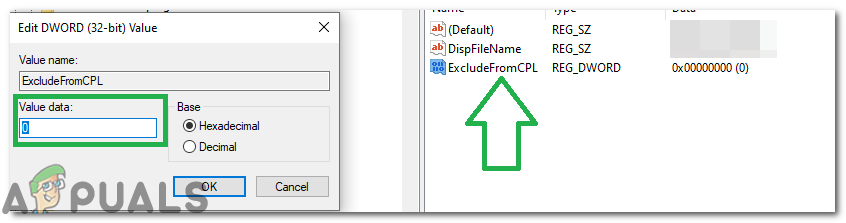
Changing the Value Data to “0” - Double click again on the “WindowsLogOff” Folder and double click on the “ExcludeFromCPL” file in the right pane.
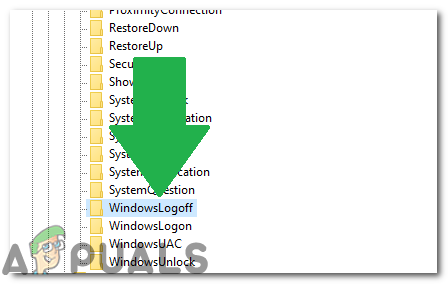
Double clicking on the “Windows Log Off” folder - Change the “Hexadecimal” value to “1” and save the changes.
- Now click on the “Search” box and type in “Change System Sounds”.
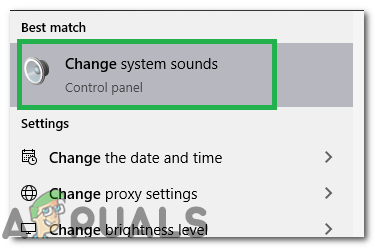
Selecting “Change System Sounds” option - Select the first option and scroll down.
- Double click on the “Windows Log On” option and select the “Browse” button.
- Select the sound that you want to play at startup.
Note: You will need to copy the sound file in the “C:\Windows\Media” Folder beforehand and make sure it is in the “.wav” format. - Double click on the “Windows Log Off” option and select the “Browse” button.
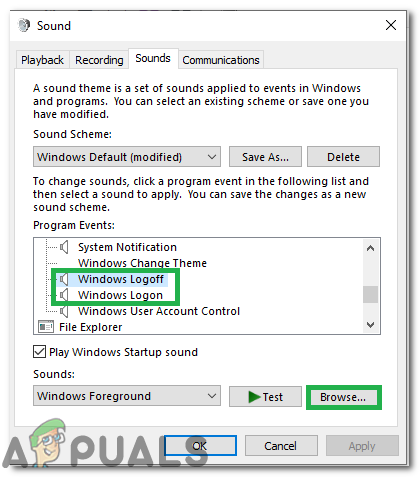
Clicking on “Browse” - Select the sound you want to play at shutdown.
- Click on “Apply” and then on “OK”.
- The startup sound has now been changed.

ADVISORY: PLEASE READ BEFORE ATTEMPTING THE STEPS IN THE POST ABOVE!
While this program successfully changed my startup sound, it also had the obstructive effect of causing all the folder icons in Windows Explorer to disappear. It also isn’t correctly built for this sort of thing, as can be seen by looking at what files it effects:
-It only changes System32imageres.dll. The startup sound is located in this DLL as .rsrcWAVE5080 (without an extension). This is the only thing that it changes intentionally and does actually change the startup sound as intended.
-It does not change SysWOW64imageres.dll as it should. This should be the exact same file as the one in System32 (in a default state, even WinMerge doesn’t detect any differences in a byte-for-byte comparison). This will cause system inconsistencies later on.
-It does not recompile the DLL correctly. The default file is 25,603KB in size. After using the program to change and restore the startup sound, the resulting DLL is 25,602KB when, in reality, it should be the exact same file in the end. WinMerge also shows an obscene amount of differences between the original and “restored” files.
-Whatever it fails to do on re-compiling the DLL makes it so that Windows cannot display icons correctly in Explorer. The re-compiled library can be extracted just fine by 7-zip, but it throws a checksum error when doing so. This appears to be related ONLY to how the file is compiled; again, WinMerge did not find any differences beyond the startup sounds when comparing the extracted contents of both DLLs.
With all this in mind, this tool is poorly-written. Maybe it worked at the time without any adverse effects, but that is no longer the case as of this comment’s date (Windows 10 Pro with the Anniversary update, if anyone is wondering). I will give some credit to the writer of the tool, though; rather than altering the file first, it actually renames the original and creates a new one, which can easily be re-renamed and put back into place without having to use a Live-USB in the process. Of course, that doesn’t make the fact that it doesn’t work any better, really, but still.
P.S. I am using an AMD Ryzen build as well. This shouldn’t have any effect on how the program works, but I thought I’d mention it anyway just in case.