How to Fix “The Media Could Not Be Loaded Because the Server or Network Failed or the Format Is Not Supported”
When trying to watch a video online, you may sometimes see the error:
“The media could not be loaded, either because the server or network failed or because the format is not supported”
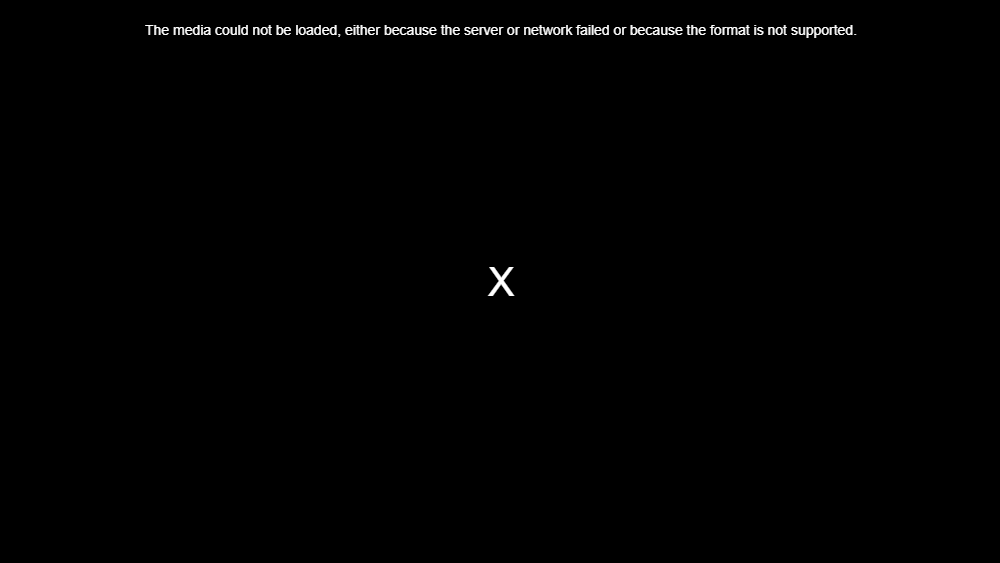
This error indicates that the browser’s video player failed to load the media file. The problem may originate from a network interruption, browser compatibility issue, an unsupported video format, or restrictions applied by the website’s player.
Because the message does not clearly identify the source of the problem, the issue can originate from either your browser or the website hosting the video. The solutions below address the most common causes.
Solution 1: Disable AdBlock on the Website
Many streaming platforms detect ad-blocking extensions. When an ad blocker is active, some websites intentionally block the video player and display this error.
If the website requires ads to load the player, disabling the ad blocker only for that website usually resolves the problem.
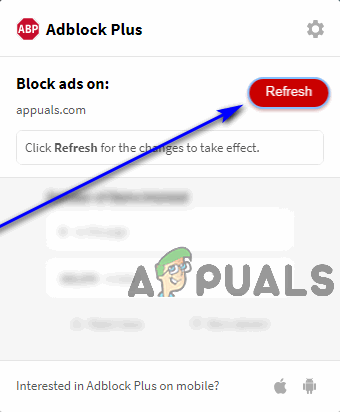
For example, if you are using AdBlock Plus in Google Chrome:
- Open the webpage containing the video.
- Click the Options button (three vertical dots) in the top-right corner of Chrome.
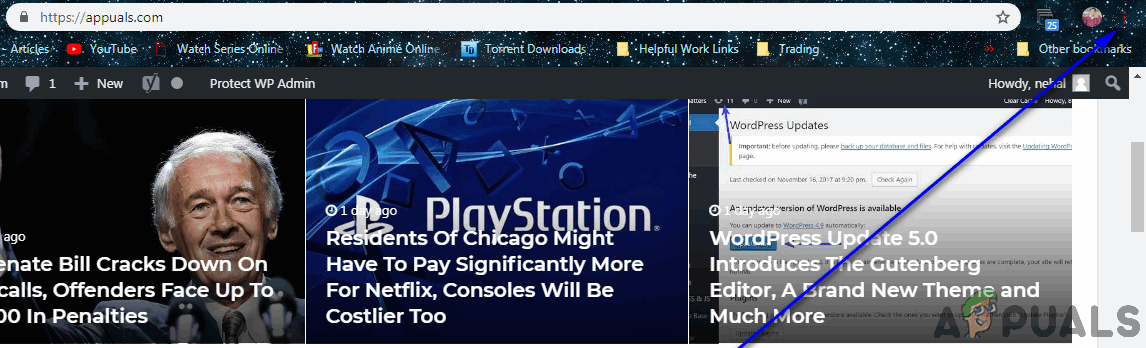
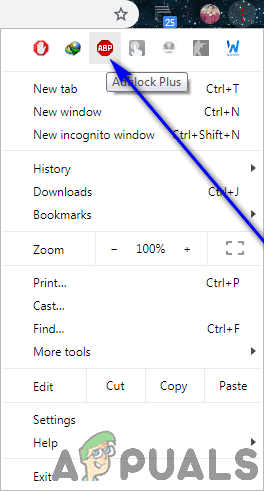
- Click the AdBlock Plus extension icon.
- If the Power button is blue, the extension is active. Click the button to disable AdBlock for the current website.
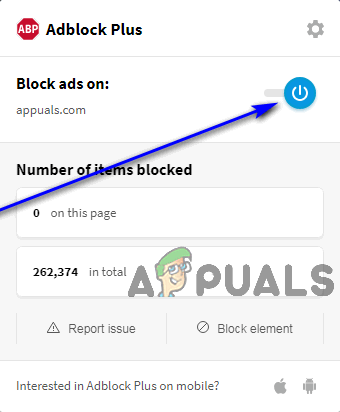
After disabling the extension, refresh the webpage and try playing the video again.
Solution 2: Update Your Browser
Older browsers may fail to play modern video formats or newer player technologies. Browser updates frequently include codec support improvements, streaming fixes, and security patches that affect video playback.
Updating your browser ensures compatibility with the video player used by the website.
To update Google Chrome:
- Open Google Chrome.
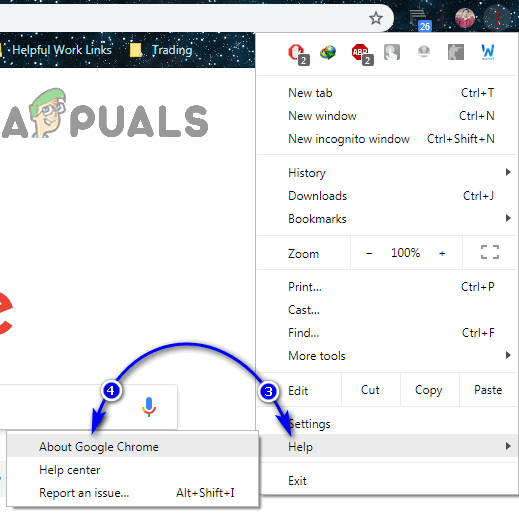
- Click the Options button (three vertical dots) in the top-right corner.
- Hover over Help and select About Google Chrome.
- Chrome will automatically check for updates and install the latest version.
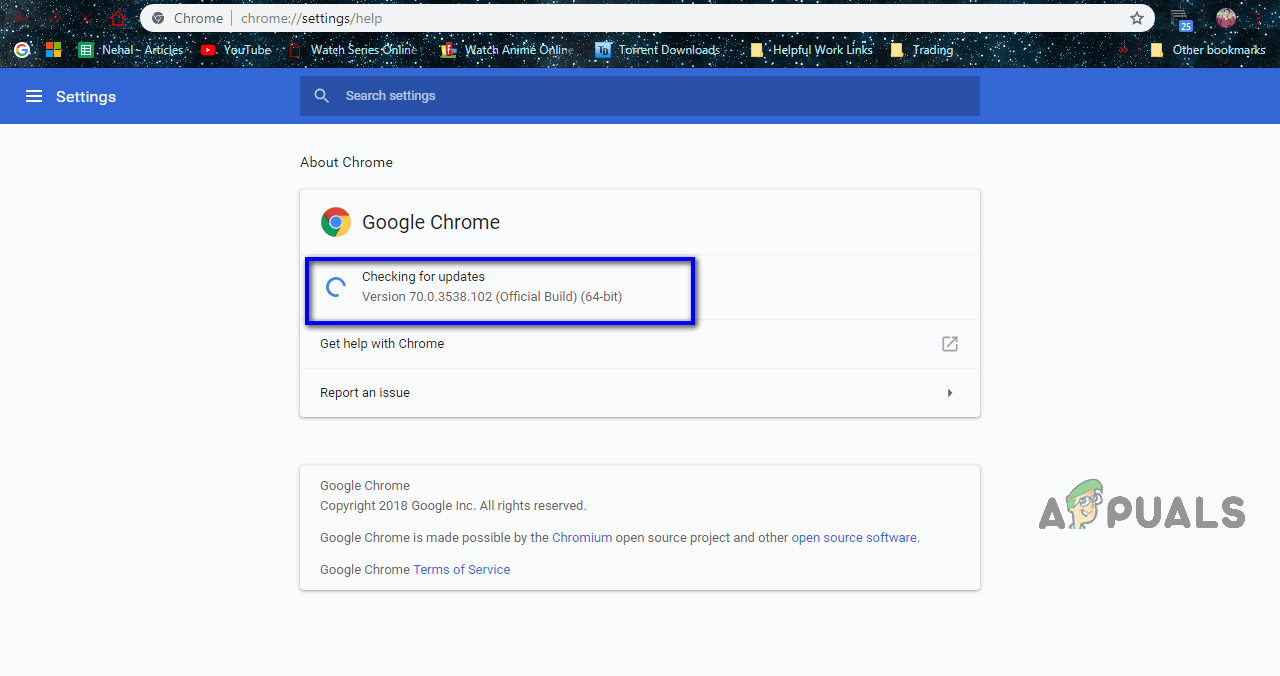
Once the update completes, restart the browser and test the video again.
Solution 3: Try a Different Browser
In some cases, the problem is limited to a specific browser. This can occur due to cached data, conflicting extensions, missing codecs, or a browser bug affecting the website’s player.
Opening the same page in another browser helps determine whether the issue is browser-specific.
For example, if the video fails in Microsoft Edge or Internet Explorer, try loading the page in Google Chrome, Mozilla Firefox, or another modern browser.
If the video plays normally in another browser, the original browser likely has a compatibility or extension-related problem.
Solution 4: Check if the Video Server is Down
If none of the solutions resolve the issue, the problem may originate from the website hosting the video. Server outages, maintenance, or network failures can prevent the media file from loading.
In this situation, the problem cannot be fixed locally. You will need to wait until the website restores the service or the server hosting the video becomes available again.
You can refresh the page occasionally to check whether the video becomes accessible once the server issue is resolved.


Very helpful!!! 🙂