Fix: Microsoft Excel 2007 Error stdole32.tlb
Microsoft Office is a software which we use every day. Microsoft Office is available on market since 1990, from version Office 1.0 to Office 365 which is clouding based service. When you need to access Microsoft Word or Excel, all you need is to double click on the application icon and start to use it.
Sometimes opening Microsoft Word or Excel can be a nightmare, because there are some issues with Microsoft Office package. Every time you start Microsoft Word or Microsoft Excel, Windows is trying to configure Microsoft Office 2007 which is really boring, and at the end, you get error stdole32.tlb.
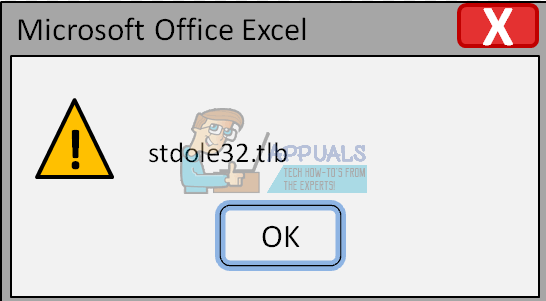
The problem can occur because of file corruption or malware infection. There are a few methods which can help you to solve this issue.
Method 1: Repair Microsoft Office 2007
The first solution you can try is to repair Microsoft Office 2007. In case of file corruption, after repairing Microsoft Office, files will be renewed with the new ones. You will repair all applications in Microsoft Office, including Word, Excell, Powerpoint, Outlook, Access, and others.
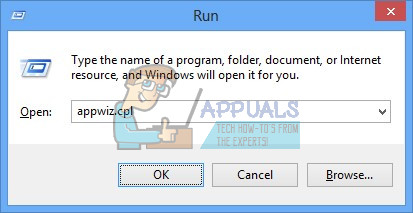
- Hold Windows logo and press R
- Type appwiz.cpl and press Enter. Program and Features applet will open.
- Right-click on Microsoft Office 2007 and click Change
- Click on Repair and then click Continue

- After Microsoft Office 2007 finish repair, you need to restart your Windows.
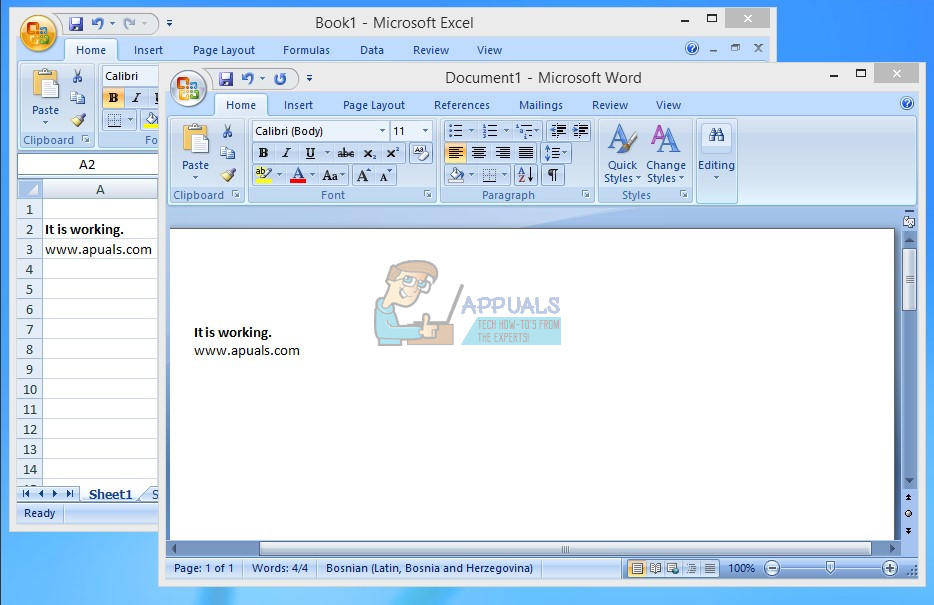
- Run Microsoft Word 2007 or Microsoft Excel 2007
Method 2: Change permission for registry keys
If the first method did not solve your problem, try this method. In this method, you will change some permissions in the registry database. Before you do any registry configuration, we are recommending you to the backup registry database. Why do you need to do registry backup? In case of some misconfiguration, you can revert the registry database to the previous state when everything worked without problems.
- Press the Windows logo and type regedit
- Right click on regedit and at the bottom choose Run as administrator
- Click Yes to confirm running regedit as an administrator.
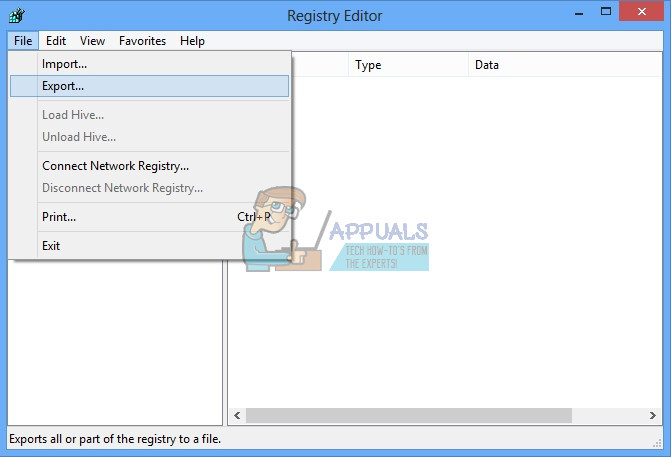
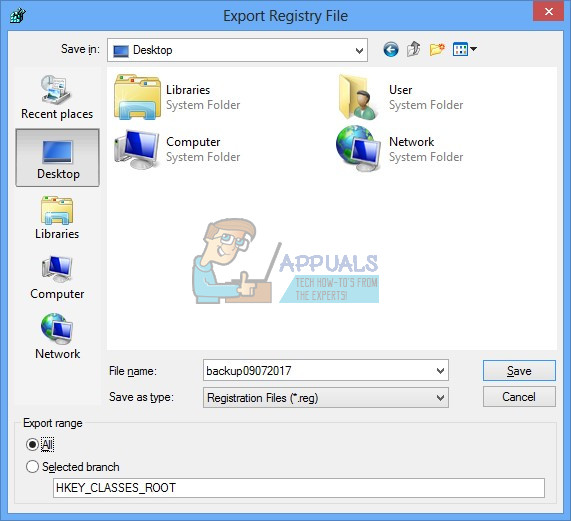
- Click File and then Export
- The type File name, in our example backup09072017, under Export range select All and click Save
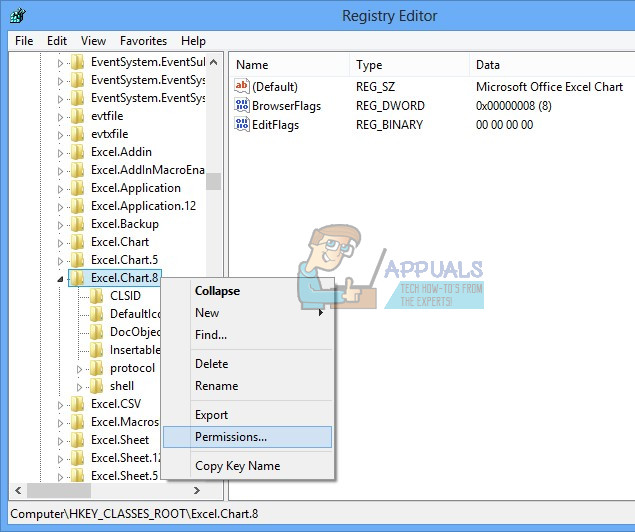
- Navigate to the HKEY_CLASSES_ROOT\Excel.Chart.8
- Right, Click on Chart.8 and select Permissions…
- In the Permissionwindows click on Add
- Under Enter the object names to select (examples): type Everyone and then click Check Names
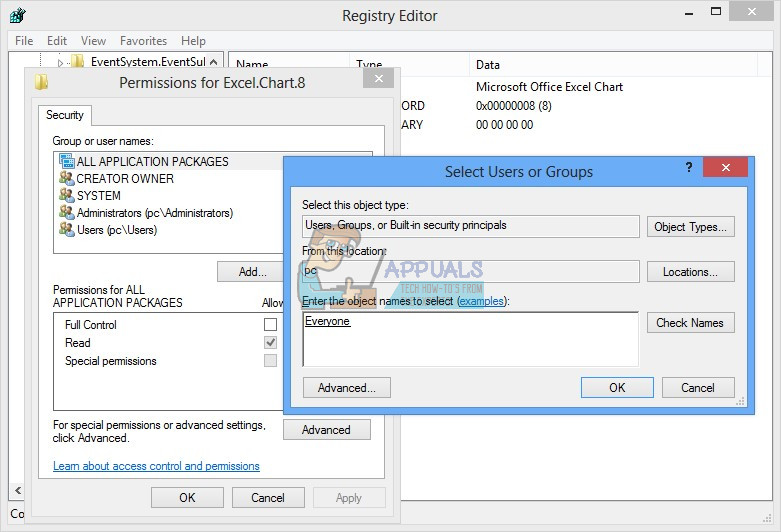
- Click OK to confirm adding object Everyone
- Once this is done, click on the Advanced…tab
- Under Ownerclick Change
- Under Enter the object names to select (examples): type Everyone and then click Check Names
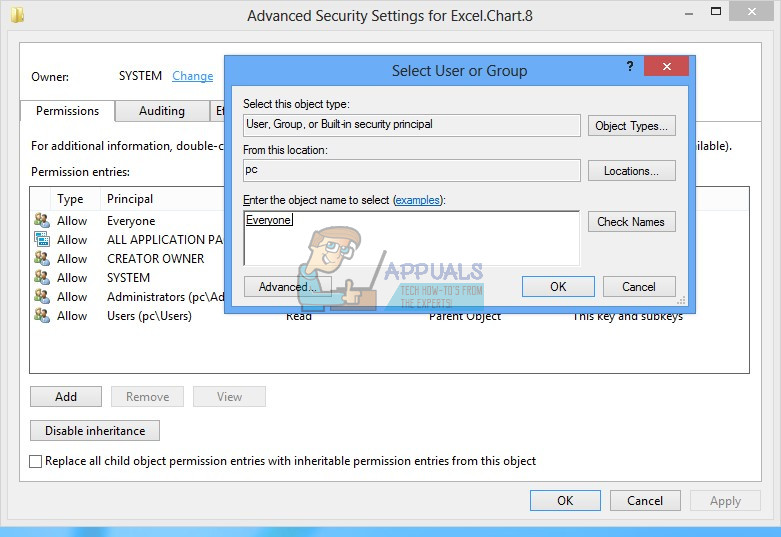
- Click OK to confirm adding object Everyone
- After you successfully changed owner of this key, you will see that Owner is changed from System to Everyone. Click Apply and then OK.
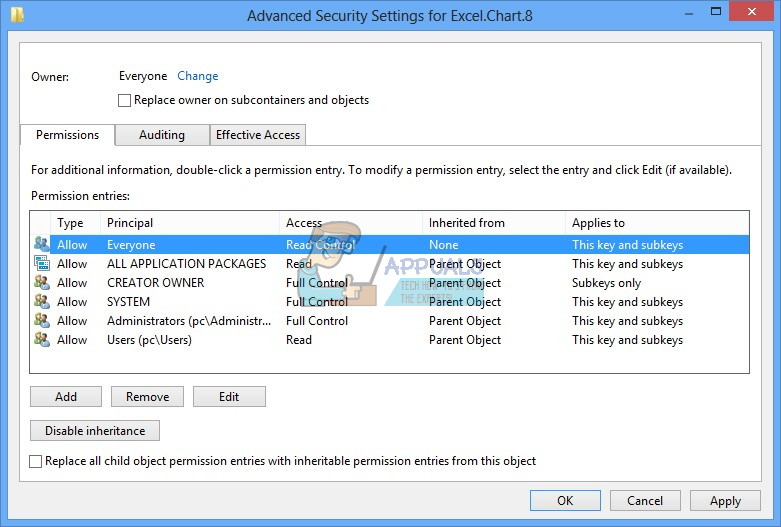
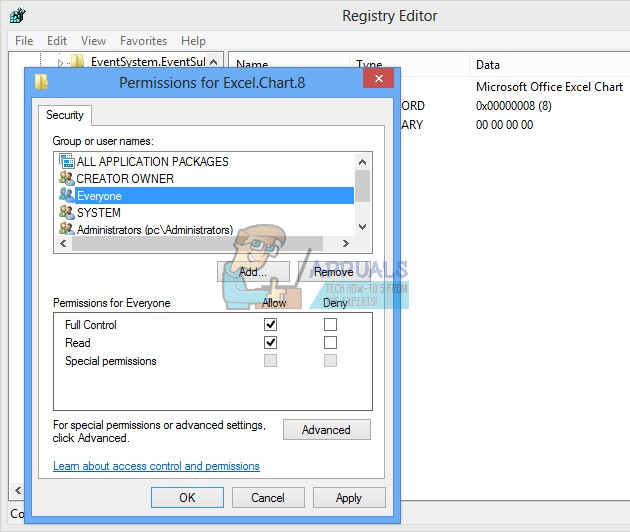
- Under Permission select Everyone and enable the check box for Full Control and Read
- Click on Apply and OK
- Refresh registry database by pressing F5, this should create a new Sub key below Chart.8 called Protocol

- You need to change permissions of this key by repeating steps, from 8 to 17
- Refresh registry database again and follow the same sequence of steps to add permission to the following Sub keys StdFileEditing\Server.
- Close the registry editor.
- Restart your Windows
- Run Microsoft Word or Microsoft Excell

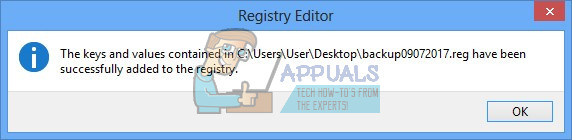
In case this solution did not solve your problem, we are recommending you to restore registry backup file. You can do it by selecting File and then Import. Navigate to registry backup file and then click Open. If you successfully restored registry to previous state, you will get notification: The keys and valued contained in backup file (C:\Users\user\Desktop\backup09072017.reg have been successfully added to the registry.
Restart your Windows.
Method 3: Delete Office keys from registry database
Next method is working with registry, too. Before you do any registry change, we are recommending you to backup registry database. As we said in previous method, we will do backup, so we can in case of some registry misconfiguration, revert registry database to previous state when everything worked without problems.
- Press Windows logo and type regedit
- Right click on regedit and at the bottom choose Run as administrator
- Click Yes to confirm running regedit as administrator
- Click File and then Export
- Type File name, in our example backup08072017, under Export range select All and click
- Navigate to HKEY_CURRENT_USER\Software\Microsoft\Office.
- Delete subkey named Word and Excel. If some keys can not be deleted or found, please skip them, this will not influence the result of the troubleshooting.
- Next, You will need to open subfolders 8.0, 9.0, 10.0, 11.0 and 12.0 and then delete subkeys Excel or Word. In case you have only problem with Word, you will need to delete subkey Excel. In case you have problem with Word, you will need to delete subkey Word, and if you have problemw ith both of them, you will delete Word and Excel. If some keys can not be deleted or found, please skip them, this will not influence the result of the troubleshooting. In our example, only available version of Microsoft Office is version 12.0.
- Right click on Word and select We will delete subkey Word. If you have problem with Microsoft Excel, too, you will need to delete Excel subkey.
- Confirm key delete with Yes
- Navigate to HKEY_LOCAL_MACHINE\SOFTWARE\Wow6432Node\Microsoft\Office
- Delete subkey named Word and Excell. If some keys can not be deleted or found, please skip them, this will not influence the result of the troubleshooting. In our case, subkeys Word and Excell are missing, so we will move to next step.
- You will need to open subfolders 8.0, 11.0 and 12.0 and then delete subkeys Word and Excel. In case you have only problem with Word, you will need to delete subkey Excel. In case you have problem with Word, you will need to delete subkey Word, and if you have problemw ith both of them, you will delete Word and Excel. If some keys can not be deleted or found, please skip them, this will not influence the result of the troubleshooting. In our example, only available version of Microsoft Office is version 8.0, 11.0 and 12.0.
- Right click on Word and select We will delete subkey Word. If you have problem with Microsoft Excel, too, you will need to delete Excel subkey.
- Close the registry editor.
- Restart your Windows
- Run Microsoft Word or Microsoft Excel.
Method 4: Scan your System for Malware
It is possible that a certain malware or a virus has implemented itself on your computer and is triggering the “Error stdole32.tlb”. Therefore, it is recommended to scan and delete any malware or virus infecting your computer. You can read this article to completely disinfect your computer from viruses.
Method 5: Reinstallation
It was reported that in some cases the error was being triggered due to the incomplete or corrupt installation of Microsoft Office. Therefore, it is recommended to completely uninstall office from your computer and reinstall it after downloading it directly from Microsoft’s official website. In order to uninstall the office from your computer:
- Press the “Windows” + “I” keys simultaneously.
- Click on the “Apps” option.
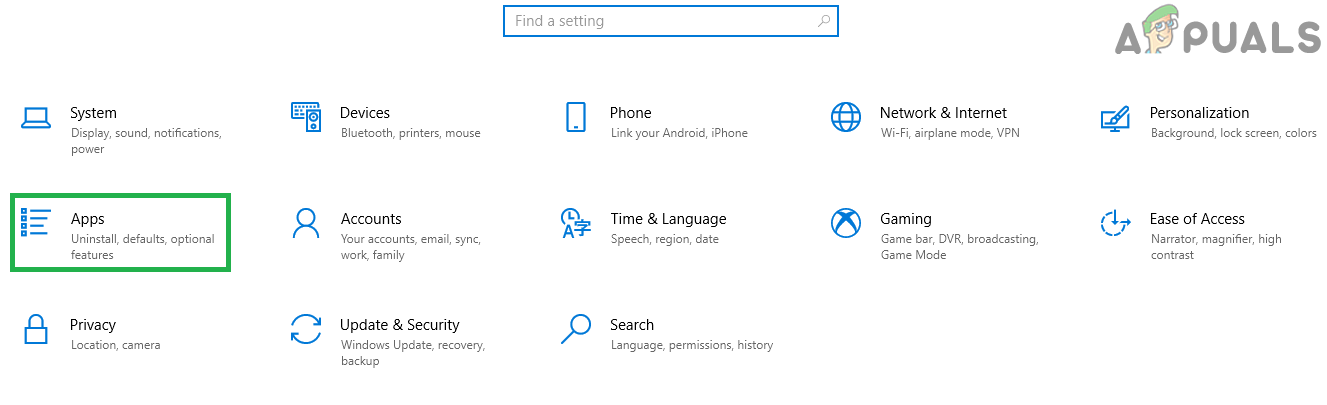
Clicking on “Apps” - Scroll down and click on “Microsoft Office” in the list.
- Click on the “Uninstall” button and then on “yes” in the prompt.
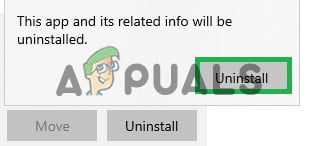
Clicking on Uninstall option - Wait for the uninstallation process to be completed and then reinstall Microsoft office after downloading it from the official website.
Method 6: SFC Scan
It is possible that certain drivers installed on the operating system have been corrupted. Therefore, it is recommended to run a complete “System Files Check” scan in order to fix them. To run an SFC Scan:
- Press the “Windows” + “R” keys simultaneously.
- Type in “cmd” and press “enter”.
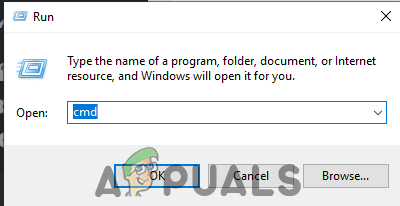
Typing in “cmd” - In the command prompt, type “sfc/scannow” and press “enter“.
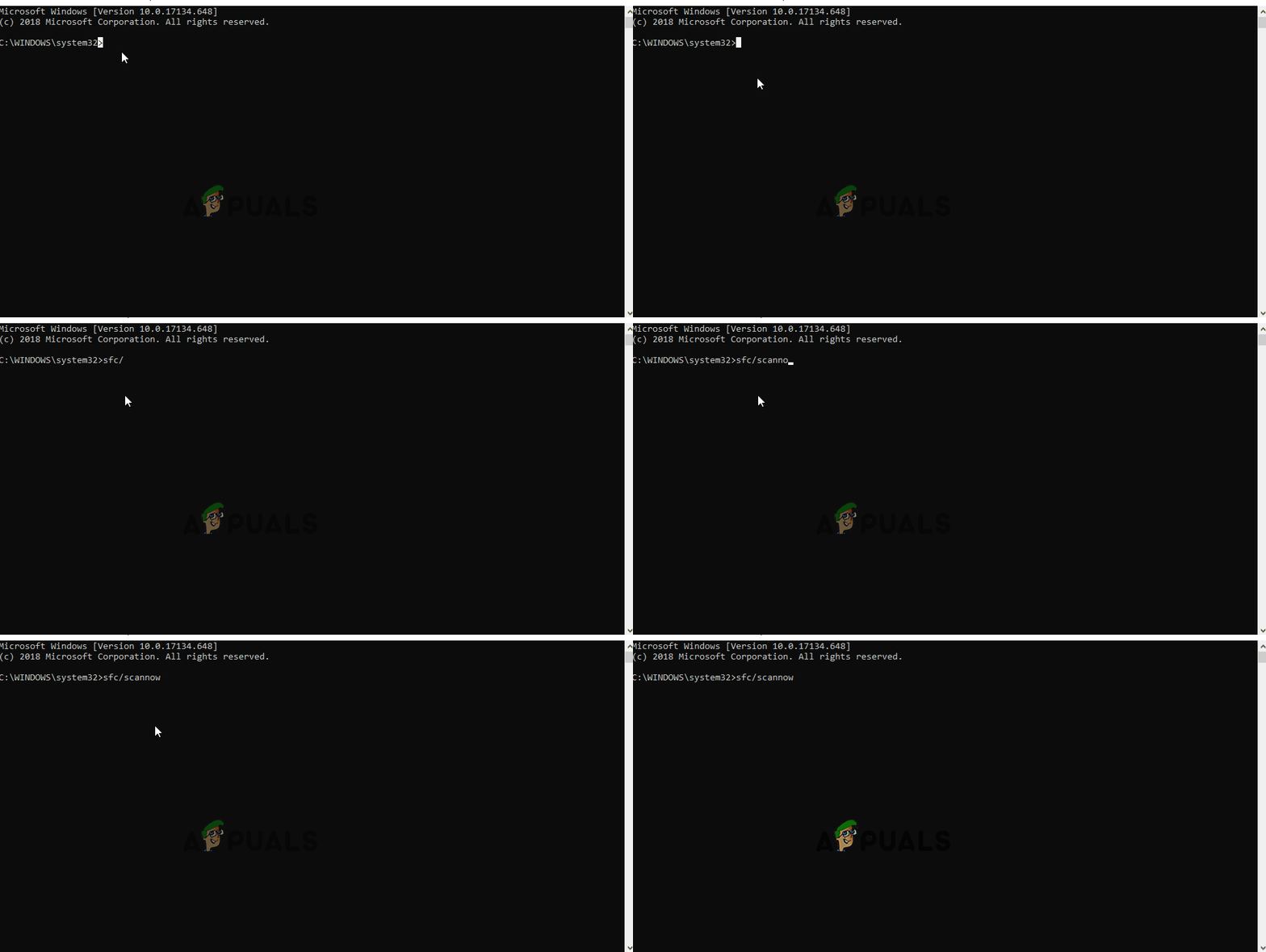
Typing “sfc/scannow” in the command prompt. - Wait for the scan to be initiated and completed.
- Check to see if the issue persists.
Method 7: Deleting Temporary Files
Certain data is cached by applications to decrease loading times and to provide a better experience. However, over time this cache can be corrupted and it can interfere with important system features. Therefore, in this step, we will be deleting all the temporary files stored on the computer. For that:
- Press the “Windows” + “R” keys simultaneously.
- Type in “%temp%” and press “enter“.
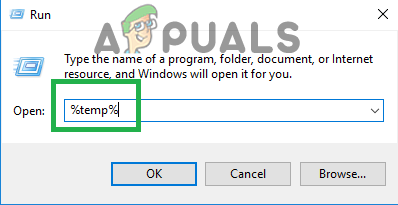
Typing in “%temp%” and press “Enter”. - Press “Ctrl” + “A” to select all the files and press “Shift” +”del” to completely delete them.
- Wait for the files to be deleted and check to see if the issue persists.
Method 8: Updating Windows
Numerous problems and error are fixed in Windows’ updates. Therefore, in this step, we will be updating the operating system in order to fix the error. For that:
- Press the “Windows” + “I” keys simultaneously.
- Click on the “Update & Security” option.
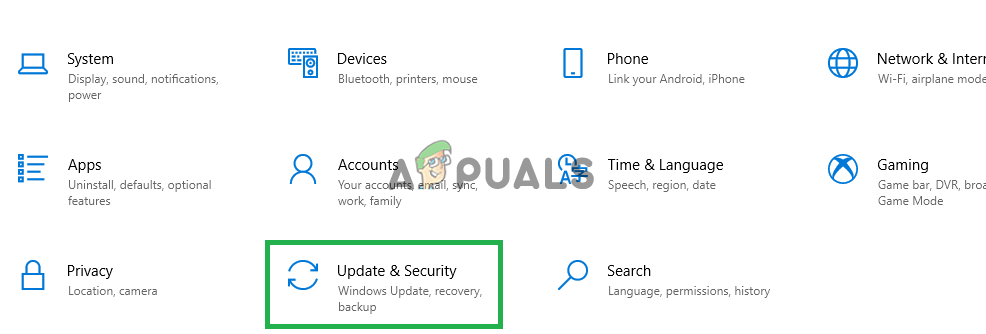
Clicking on the “Updates & Security” option - Click on the “Windows Update” option in the left pane and select the “Check for Updates” option.
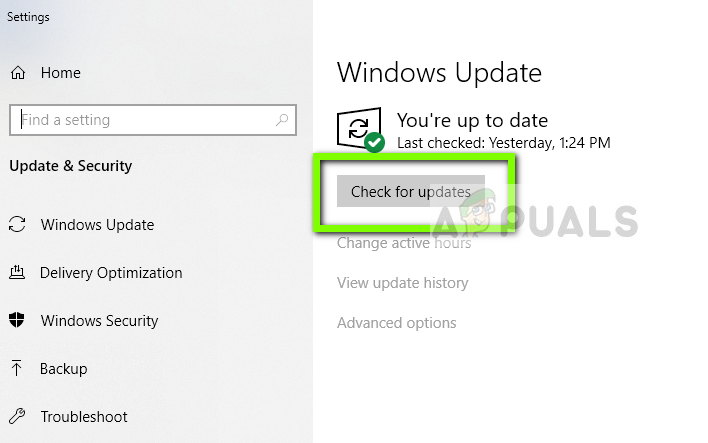
Checking for Updates – Windows Update - Updates will now automatically be downloaded and installed.
- Restart your computer in order to apply the updates and check to see if the issue persists.
Method 9: Renaming Setup File
In some cases, renaming the setup file can help you get through this error. For that:
- Navigate to the following location.
C:\Program Files\Common Files\microsoft shared\OFFICE12\Office Setup Controller
If the file isn’t here navigate to this location.
C:\Program Files (x86)\Common Files\Microsoft Shared\OFFICE12\Office Setup Controller|
- Now, rename the setup file to something other than “Setup” and save your changes.
- Run the application and click on “OK” when you receive the error.
- Check to see if the issue persists.

I started repair option 1, but when I right click to ‘change’ the program in step 4, I get the pop up message
“An error occurred while trying to uninstall Microsoft Office Home and Student 2007….Would you like to remove Microsoft Office H..S..2007 from the Programs and Features list?” Yes/No
Obviously I do not want to actually remove it, but just change it, so I am scared to press ‘Yes’.
Or will this just take me to the change options described by you?
Many thanks, Karen