What Does Scroll Lock Do on a Keyboard? Explained
 Reviewed by Huzaifa Haroon
In today’s fast-paced computing world, some features can easily go unnoticed or be misunderstood. One such feature is the Scroll Lock key on keyboards. In this guide, we will explain what Scroll Lock is, its functions, its relevance on Mac computers, and how to activate it.
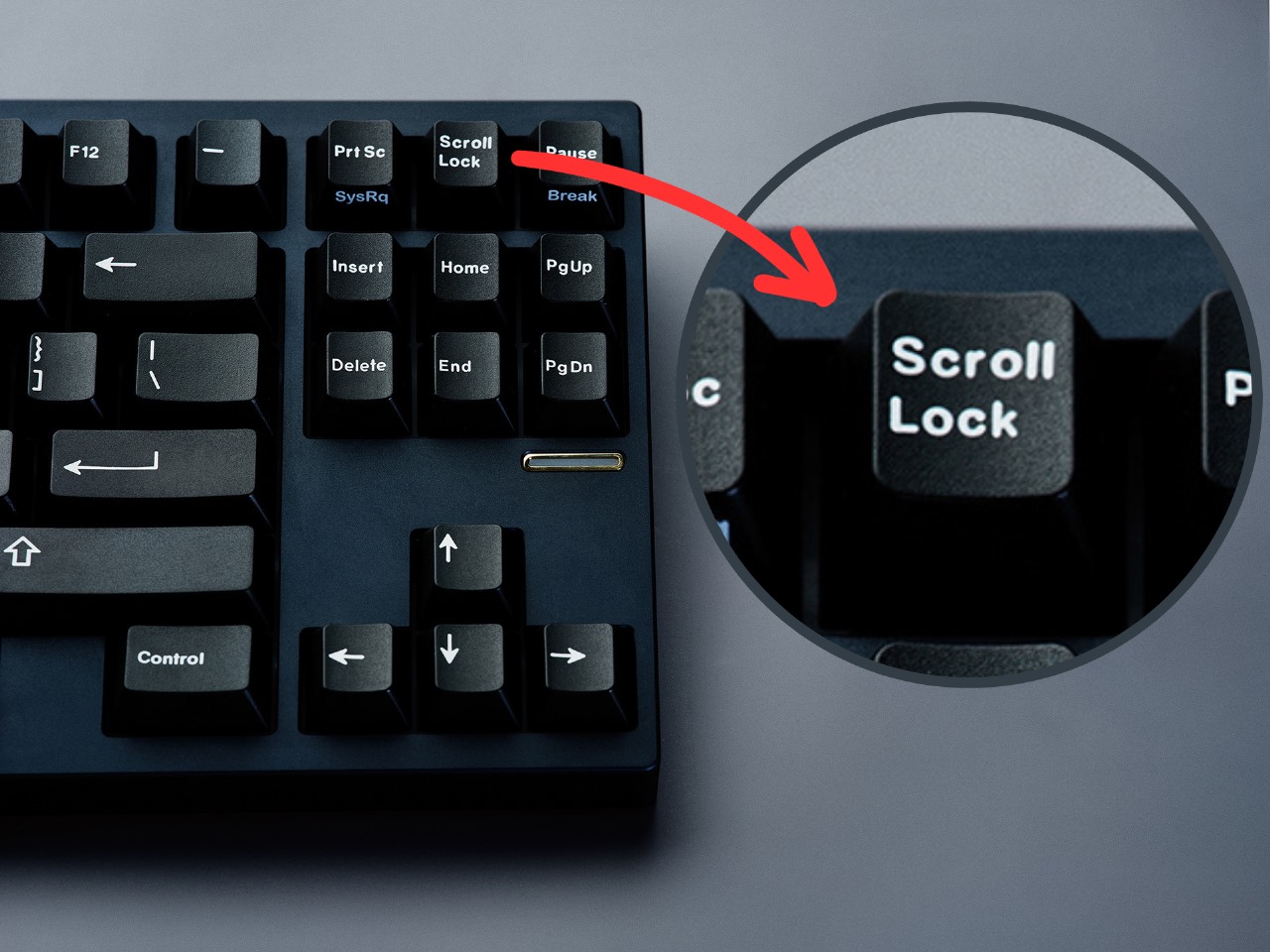
The Scroll Lock key is found on many older external keyboards and is typically labeled as “Scroll Lock” or “Scrlk.” It dates back to the early days of computing when it played a more significant role. Originally, the Scroll Lock key was designed to modify the behavior of the arrow keys. When activated, instead of moving the cursor, the arrow keys would scroll the content of a text window or a terminal interface. This feature was especially useful in the era of text-based computing environments, where graphical interfaces were not yet widespread.
Early computer systems often relied on text-based outputs, and having the ability to scroll through information without altering the position of the typed text was crucial.
What Does Scroll Lock Do in a Keyboard?
In today’s computing world, the role of the Scroll Lock key has greatly diminished. The introduction of graphical user interfaces (GUIs) and advances in computer hardware and software have made the original function of the Scroll Lock key largely irrelevant for most users.
However, it still retains functionality in certain specific applications and environments. One notable example is its use in Microsoft Excel. When Scroll Lock is active in Excel, pressing the arrow keys causes the worksheet to scroll in the direction of the arrow key pressed, instead of moving the active cell.
This can be particularly useful for navigating large spreadsheets without shifting the focus from a particular cell or set of cells.

Another area where Scroll Lock finds its use is in some programming and database environments. In these contexts, activating Scroll Lock allows users to scroll through logs or code without moving the cursor, similar to its original purpose in early computing.
Scroll Lock on Mac
Apple’s design philosophy for Mac computers focuses on minimalism and improving user experience by streamlining functionalities. This approach is evident in their keyboard design, where there is a noticeable absence of a dedicated Scroll Lock key on their laptops.
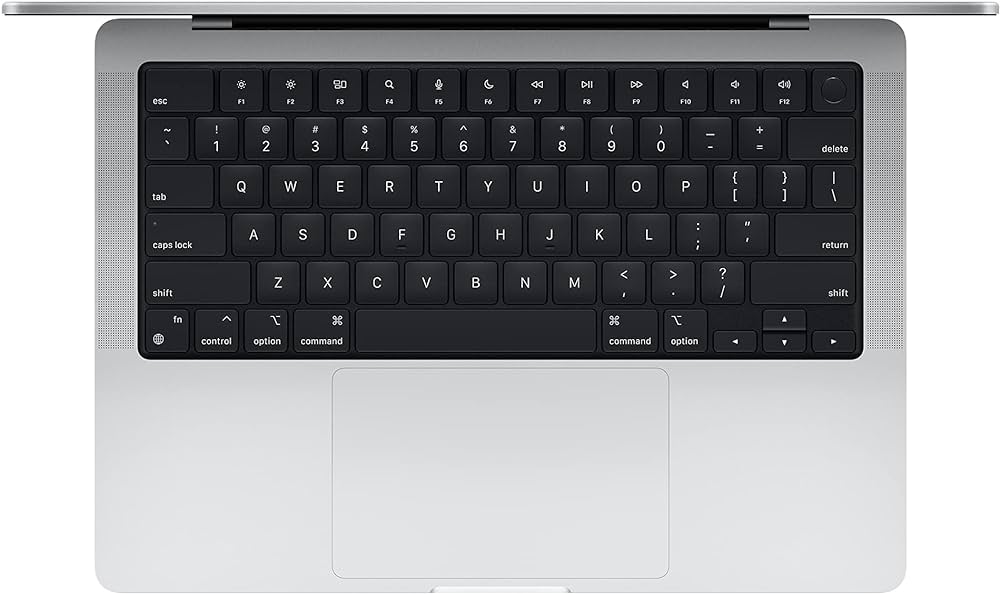
Unlike traditional PC keyboards, macOS-based laptop keyboards omit this less frequently used key, aligning with Apple’s focus on a cleaner, more modern keyboard layout.
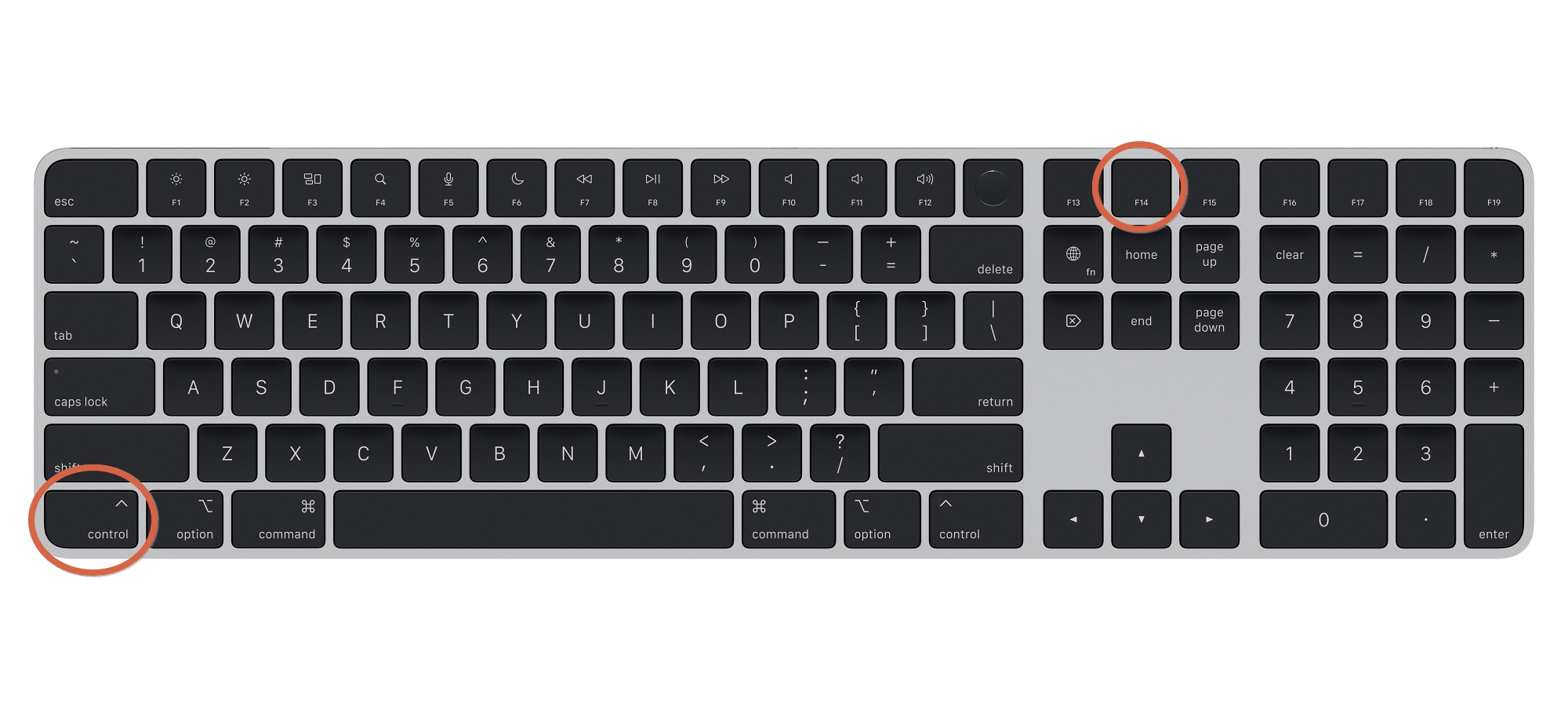
However, if you use an external full-sized keyboard offered by Apple, it may include the Scroll Lock functionality. To activate it, press the Control + F14 keys. In some cases, you may need to press and hold the Fn key before using this combination.
How to Activate Scroll Lock
Activating Scroll Lock on a Windows-based keyboard is usually straightforward. The key is typically labeled “Scroll Lock” or “Scrlk” and is often found in the top right section of the keyboard. This key, when pressed, toggles the Scroll Lock function on or off. However, its location and method of activation can vary depending on the keyboard or laptop type you are using.
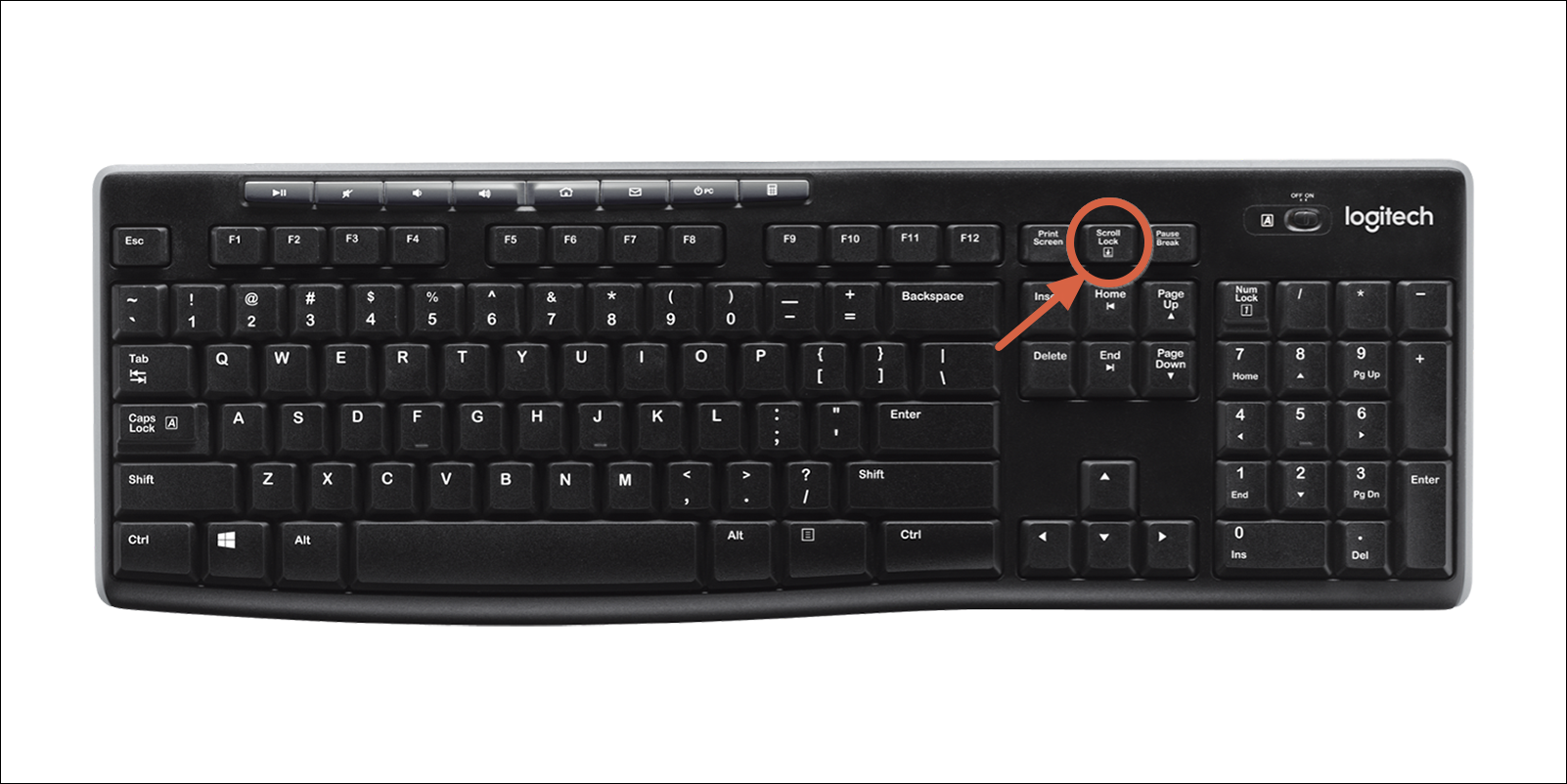
On most full-size keyboards, the Scroll Lock key is directly accessible and clearly marked. Simply pressing this key will activate or deactivate the Scroll Lock function. On laptops or smaller keyboards where space is at a premium, the Scroll Lock function might be part of a multi-function key.
Generally, this involves holding down the “Fn” (Function) key combined with the key that contains the Scroll Lock function, which might be shared with another key. The exact key combination can vary, so it’s advisable to refer to the laptop’s or keyboard’s manual for your specific combination.
Scroll Lock in Microsoft Excel
The most common reason people search for “Scroll Lock” today is because of Microsoft Excel. When Scroll Lock is on, the arrow keys scroll the worksheet itself instead of moving the active cell. This is the single behavior that drives almost all modern Scroll Lock confusion.
If your arrow keys “stop working” in Excel — meaning they refuse to move from one cell to the next and instead scroll the whole sheet — it is almost certainly because Scroll Lock has been turned on accidentally.
How to tell if Scroll Lock is on in Excel: look at the status bar at the bottom of the Excel window. When Scroll Lock is active, Excel displays the words “Scroll Lock” near the bottom-left or bottom-right (the position depends on your Excel version and status bar customization). If you don’t see it, right-click the status bar and enable the Scroll Lock indicator from the menu.
Outside of Excel, Scroll Lock rarely does anything on a modern Windows or Mac system. A few terminal emulators and legacy applications still respect it, but for the average user, Excel is the only place it matters.
How to Turn Off Scroll Lock
Turning off Scroll Lock is the same action as turning it on — press the Scroll Lock key once. The challenge is that many modern laptops do not have a dedicated Scroll Lock key, so you may need an alternative method.
Method 1: Press the Scroll Lock key (full-size keyboard)
On a desktop or full-size keyboard, locate the key labeled “Scroll Lock“, “ScrLk“, or “SL“. It is usually in the top row near Print Screen and Pause/Break. Press it once. The Scroll Lock indicator in Excel’s status bar will disappear and your arrow keys will work normally again.
Method 2: Use a function key combination (laptops)
Many laptops fold Scroll Lock into another key, accessible by holding the Fn key. The exact combination varies by manufacturer:
- Dell: Fn + S (some models also use Fn + C)
- HP: Fn + C, or Fn + K on some EliteBook models
- Lenovo ThinkPad: Fn + K, or Fn + C
- ASUS: Fn + C
- Acer: F12 (sometimes labeled with a small “ScrLk” overlay)
Look for “ScrLk”, “SL”, or a small lock icon printed on a key. If you cannot find it, check your laptop manual or skip to Method 3.
Method 3: Use the Windows On-Screen Keyboard (works on any device)
This method works on any Windows laptop, even those without a Scroll Lock key:
- Press Windows + R to open the Run dialog.
- Type osk and press Enter. The On-Screen Keyboard appears.
- Click the ScrLk key on the on-screen keyboard. It will toggle Scroll Lock off (or on).
- Close the On-Screen Keyboard. Your arrow keys should now move cells in Excel as expected.
On a Mac (for Excel users)
Mac keyboards do not have a Scroll Lock key. In Excel for Mac, the equivalent shortcut is Fn + Shift + F14. If that doesn’t work on your specific Mac, you can also paste a small AppleScript or use a USB keyboard with a real Scroll Lock key — but for most Mac users, the Fn + Shift + F14 combo resolves the issue.
Frequently Asked Questions
Why are my arrow keys not working in Excel?
The most likely cause is that Scroll Lock has been turned on. When Scroll Lock is active, arrow keys scroll the entire worksheet instead of moving the active cell. Press the Scroll Lock key on your keyboard, or use Method 3 above (Windows On-Screen Keyboard) if your laptop doesn’t have one.
How do I know if Scroll Lock is on?
In Excel, look at the status bar at the bottom of the window — it will display “Scroll Lock” when active. Many full-size keyboards also have an indicator LED above the Scroll Lock key. If you don’t see either, Scroll Lock is most likely off.
Does Scroll Lock affect anything outside Excel?
Rarely. A handful of terminal applications and legacy DOS-era software still respect Scroll Lock, but for everyday Windows or Mac use it has no effect outside Excel. You can safely leave it off and most users will never notice.
My laptop has no Scroll Lock key — how do I disable it?
Use Method 3 in this guide: open the Windows On-Screen Keyboard (Windows + R, type “osk”, press Enter), then click the ScrLk key. This works on any Windows laptop regardless of brand.
Reviewed by Huzaifa Haroon


