Fix: COMDLG32.OCX Missing or Invalid Error on Windows
The ‘comdlg32.ocx’ missing error appears when an application cannot load the COMDLG32.OCX control in Windows. This error mostly appears in older Visual Basic 6.0 applications running on Windows 10 or Windows 11. It typically means the OCX file is missing, not registered, or the program is trying to access it incorrectly.
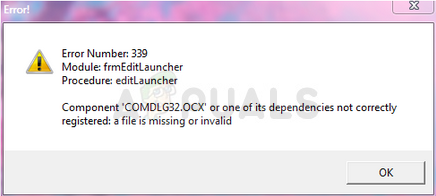
On 64-bit Windows, the problem often occurs when a 32-bit application loads the file from the wrong location or when the incorrect version of Regsvr32 is used. It can also happen when a program is copied from another PC instead of being installed, preventing the required OCX file from registering during setup.
Solution 1: Re-register the COMDLG32.OCX File
If the COMDLG32.OCX file already exists on your system but is not registered properly, re-registering it is usually the quickest fix. The important step is using the correct path based on your Windows architecture.
- Open File Explorer and navigate to the following folders:
C:\Windows\System32        >> 32-bit Windows
C:\Windows\SysWOW64        >> 64-bit Windows
- Check if the comdlg32.ocx file exists.
- Search for Command Prompt, right-click it, and select Run as administrator.

Run the following commands depending on your Windows version:
For 64-bit Windows:
C:\Windows\SysWOW64\regsvr32.exe /u C:\Windows\SysWOW64\comdlg32.ocx
C:\Windows\SysWOW64\regsvr32.exe C:\Windows\SysWOW64\comdlg32.ocx
For 32-bit Windows:
regsvr32 /u C:\Windows\System32\comdlg32.ocx
regsvr32 C:\Windows\System32\comdlg32.ocx
- After the command completes, reopen the application and check if the error is resolved.
If Windows reports that the module cannot be found, the OCX file is likely missing. In that case, proceed to the next solution.
Solution 2: Reinstall or Repair the Application
Many legacy applications install and register COMDLG32.OCX during setup. If the program was copied from another computer or installed incorrectly, reinstalling it often restores the required files automatically.
- Open Control Panel > Programs and Features or Settings > Apps > Installed apps.

- Find the affected application.
- If available, select Repair.

- If not, uninstall the application, restart your PC, then install it again using its official installer.
- Launch the application again and check if the issue persists.
This approach is safer than manually replacing system files because it installs the exact version expected by the application.
Solution 3: Place the File Manually if You Have a Trusted Copy
If the installer or another trusted source already includes the correct COMDLG32.OCX file, you can place it in the proper system directory before registering it.
- Copy the comdlg32.ocx file from the trusted source.
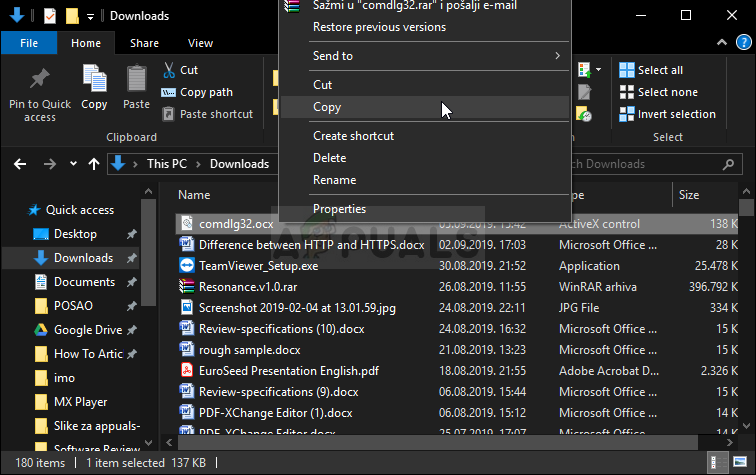
Copying the file - Navigate to the correct Windows folder:
C:\Windows\System32        >> 32-bit Windows
C:\Windows\SysWOW64        >> 64-bit Windows
- Paste the file and approve the administrator prompt if requested.
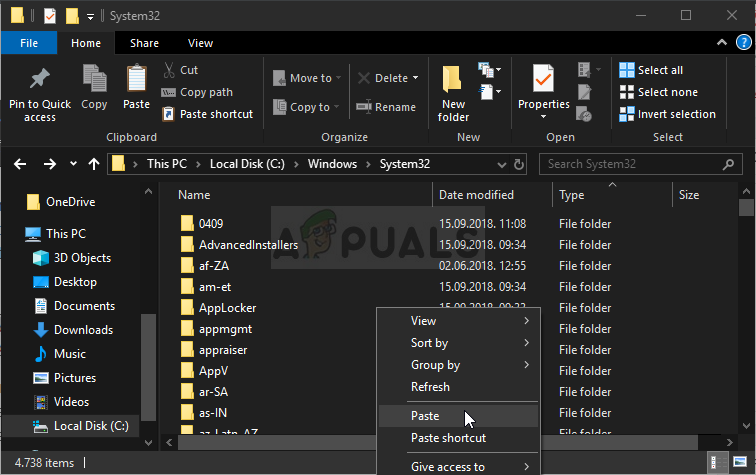
Pasting the file inside the required folder - After copying the file, return to Solution 1 and register it using Command Prompt.
Important: Avoid downloading OCX files from random DLL or OCX websites. Incorrect versions or malicious files can create additional problems.
Solution 4: Run the Application in Compatibility Mode
If the file is present and registered correctly but the program still fails to start, the issue may be related to compatibility with modern Windows versions. Running the program with administrator rights or compatibility settings can help older software operate correctly.
- Locate the program’s executable file or shortcut.
- Right-click it and select Properties.
- Open the Compatibility tab.
- Enable Run this program as an administrator.
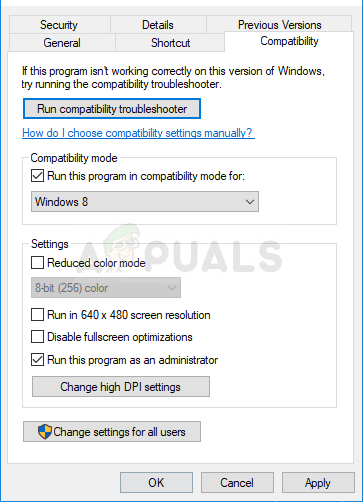
Compatibility mode with administrator permissions - Enable Run this program in compatibility mode for and select Windows 7 or Windows 8.
- Click Apply then OK.
- Launch the program again to test.
If compatibility mode was already enabled, try disabling it and test again.
Solution 5: Repair Windows System Files
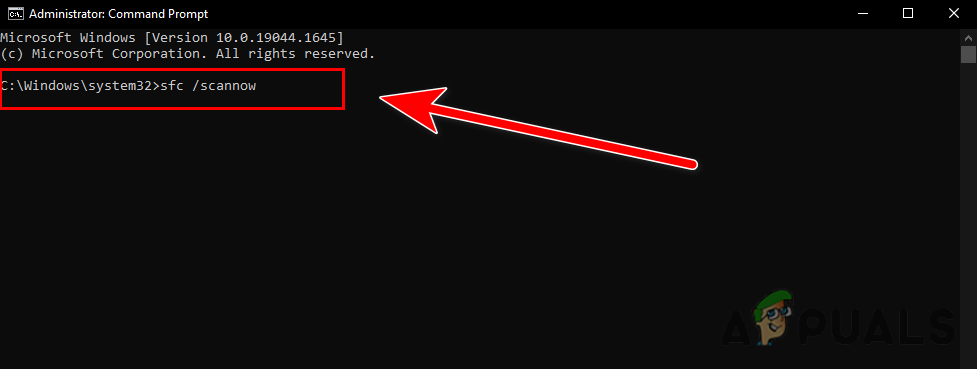
If multiple legacy programs show similar errors, Windows system files may be corrupted. Running DISM and SFC can repair damaged system components that affect file registration.
- Search for Command Prompt, right-click it, and select Run as administrator.
- Run the following command:
DISM /Online /Cleanup-Image /RestoreHealth

- After DISM completes, run:
sfc /scannow
- Restart your PC after both scans finish.
- Launch the application again and check for improvements.
Solution 6: Verify File Permissions
If the file exists and registration succeeds but the application still cannot access it, incorrect file permissions may be blocking it.
- Navigate to the folder containing comdlg32.ocx:
C:\Windows\System32        >> 32-bit Windows
C:\Windows\SysWOW64        >> 64-bit Windows
- Right-click comdlg32.ocx and select Properties.
- Open the Security tab and click Advanced.
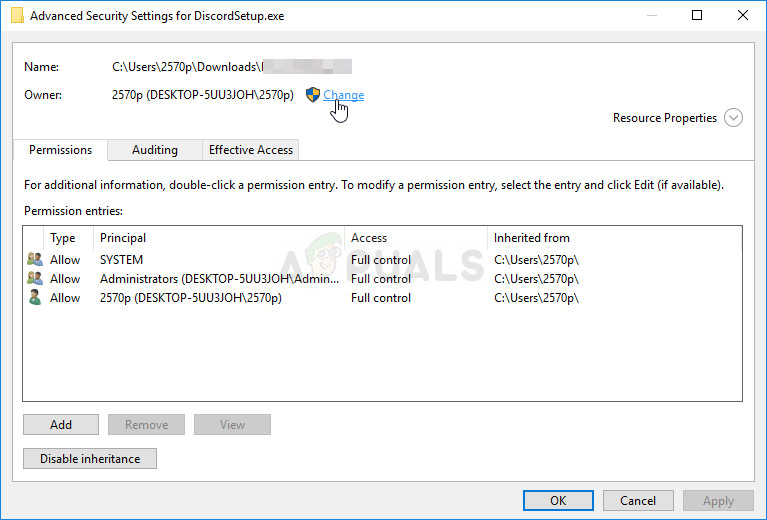
Changing the owner
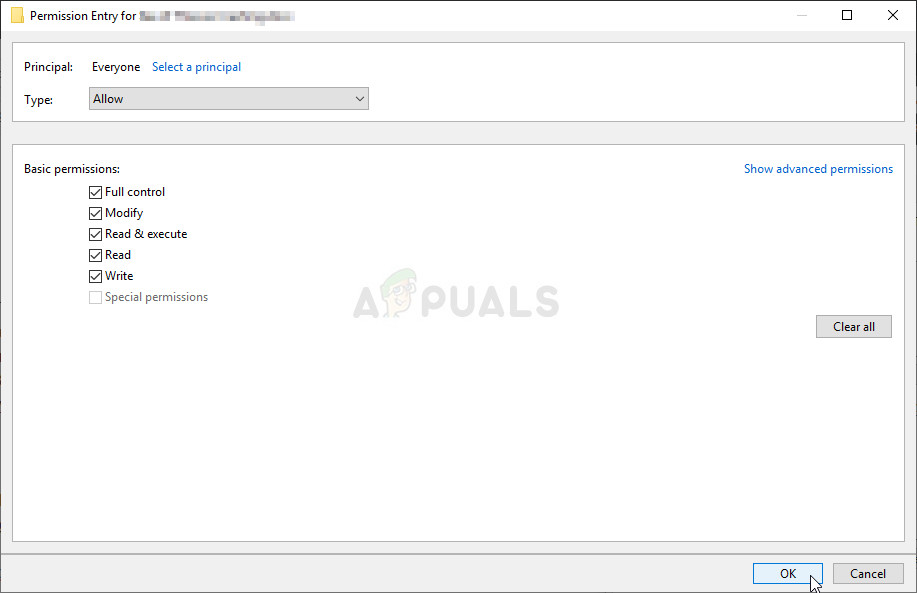
- Verify that the system and administrator accounts have normal read access.
- If permissions appear incorrect, correct them carefully instead of granting unnecessary full control.
Solution 7: Adjust UAC Temporarily
User Account Control rarely causes this issue, but in some cases it may interfere with older programs. Lowering it temporarily can help determine if it affects the application.
- Open Control Panel and go to User Accounts.
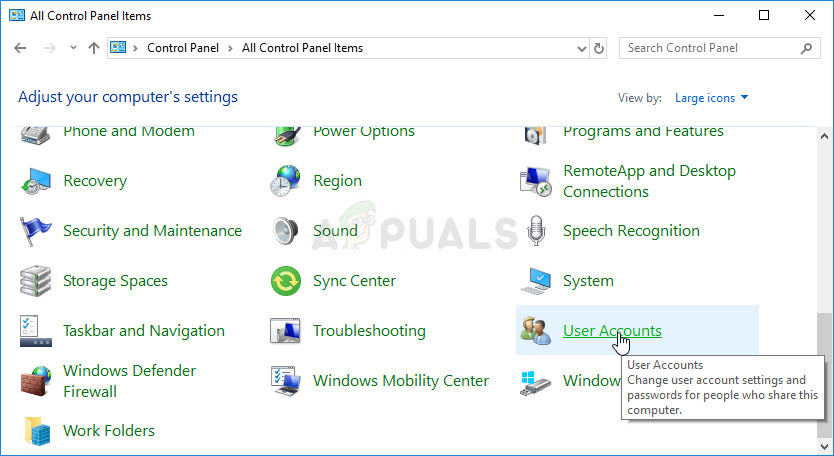
- Click Change User Account Control Settings.
- Move the slider down by one level and click OK.
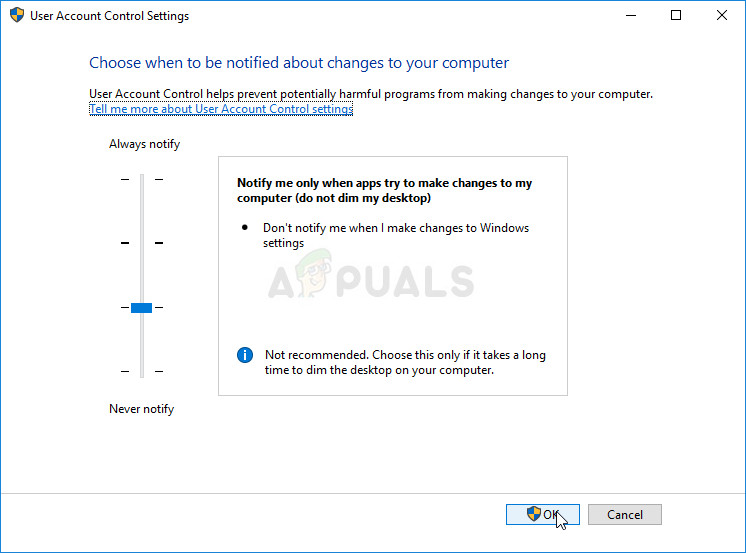
- Test the application again.
- If the problem remains, restore the original UAC level.
This should only be used as a temporary troubleshooting step.


I have the same problem with a program saying “comdlg32.ocx is corrupted or missing, …”. I’ve looked into my system files and could only find a comdlg32.dll in SysWOW64, no comdlg32.ocx or comdlg32.exe What do I do to fix this problem?