How to Fix ‘Message Blocking is Active’ Error (iOS & Android)
Some users encounter the following error when trying to send a text message:
“Free Message: unable to send a message – message blocking is active.”
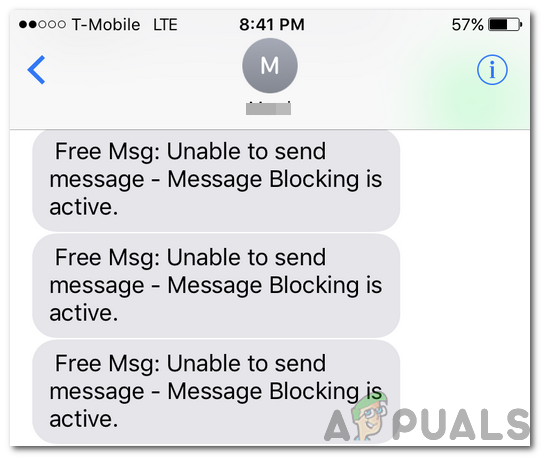
This error usually appears when your carrier or device settings prevent an SMS message from being sent. It often occurs when sending messages to short codes or when messaging features are restricted on the mobile line.
Short codes are 5 to 6 digit numbers used by services such as verification systems, banking alerts, automated notifications, and subscription services. If your carrier blocks these messages or your device restricts premium messaging, the message may fail to send.
The issue is most commonly reported on T-Mobile, although it can occur with other carriers as well.
In most situations, the problem is related to carrier restrictions, account limitations, short-code permissions, or messaging features configured on the line. The sections below explain the most common causes and solutions.
Common Causes of the “Message Blocking Is Active” Error
After reviewing user reports and carrier documentation, several common causes have been identified:
- Carrier Service Outage: Temporary network maintenance or service disruptions can prevent outgoing SMS messages until the carrier restores service.
- Account or Line Restrictions: Messaging may be blocked due to account issues, unpaid bills, carrier restrictions, or parental control features applied to the line.
- Insufficient Balance or Messaging Plan Restriction: On prepaid plans, carriers may block SMS messages if the account does not have enough balance or does not include an active messaging plan.
- Premium or Short-Code Messaging Disabled: Messages sent to short codes or through apps that use premium SMS services may fail if premium messaging access is disabled on the device.
- Recipient Blocking: If the recipient has blocked your phone number on their device or through carrier spam filtering, the message may fail to send.
- Carrier Short-Code Configuration Issue: In some cases, the carrier may incorrectly configure short-code permissions on a line. This requires carrier support to resolve.
Quick check: Try sending a message to a normal 10-digit phone number. If it sends successfully but messages to short codes fail, the problem is likely related to premium SMS or carrier restrictions.
Solution 1: Enable Premium SMS / Short-Code Messaging
Some messaging apps send messages through short codes or premium SMS services. If premium SMS permissions are disabled, the message may fail to send.
Note: This solution only applies if the message is being sent to a short code or through an application that relies on premium SMS services.
The exact location of this setting may vary depending on your Android version or device manufacturer.
- Open the Settings app on your phone.
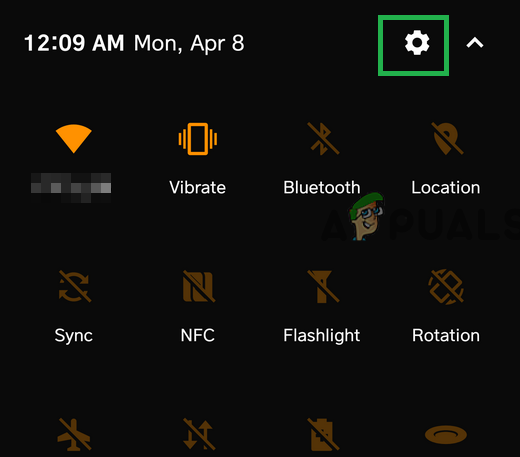
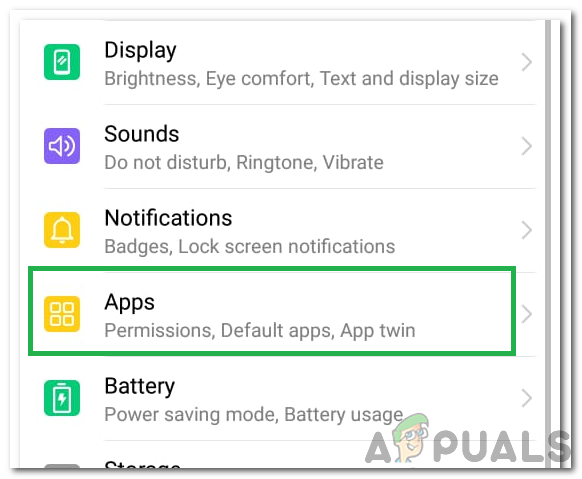
- Tap Apps or Applications.
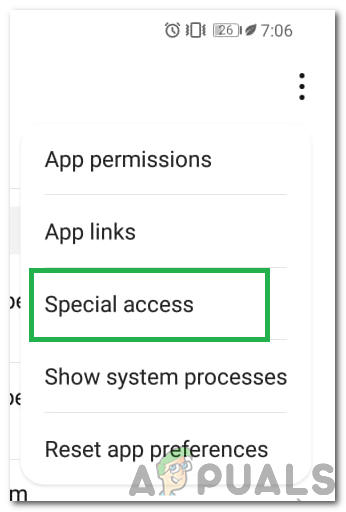
- Tap the three-dot menu in the top-right corner and select Special Access or Special App Access.
- Select Premium SMS Access.
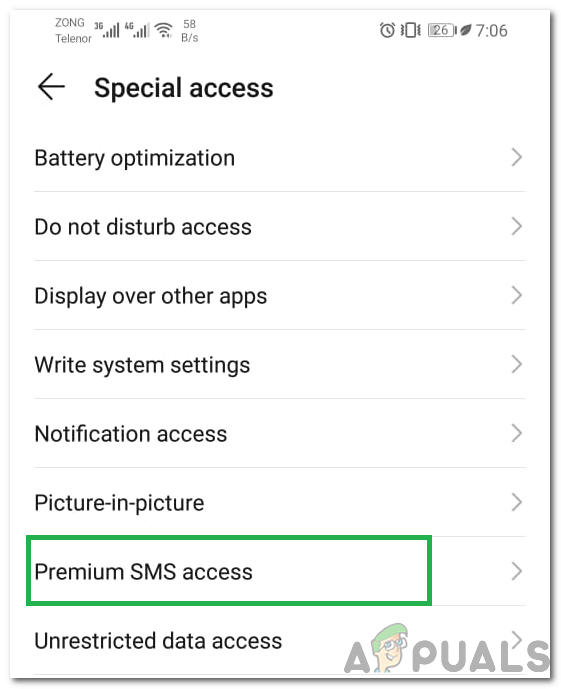
- Select your messaging app and set the permission to Ask or Always Allow.
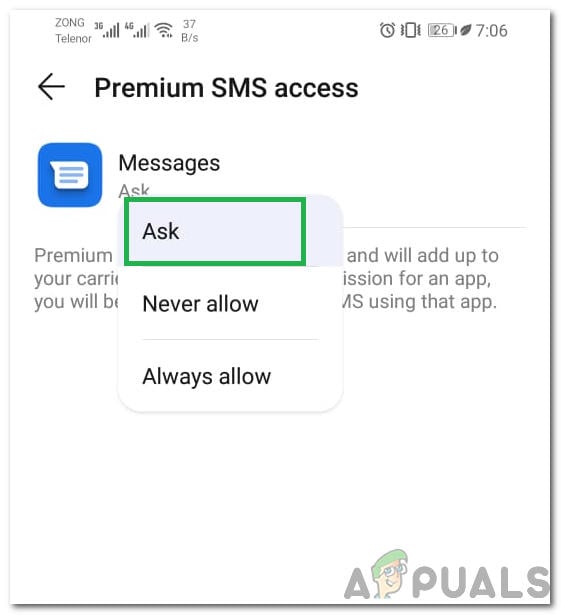
- Send the message again to check if the problem is resolved.
Solution 2: Contact Your Carrier Support
If the issue continues, the restriction may originate directly from your mobile carrier. Many users report that the error occurs when short-code messaging or SMS services are blocked on the line.
A carrier support representative can review your account and verify whether any SMS restrictions, short-code blocks, or messaging service limitations are applied to your number.
If a restriction is found, the support agent can remove the block and restore normal messaging functionality.
Note: On iPhone devices, iOS does not provide a manual Premium SMS toggle. Short-code messaging permissions are typically managed directly by the carrier, so contacting carrier support is usually the fastest solution.





I went to premium text messaging service and no apps were available.