How to Fix Bluetooth Headset Not Working in Microsoft Teams?
Bluetooth headsets often stop working in Teams, even though they work fine in other apps like Zoom or in your computer settings. This happens because Teams doesn’t always find or switch to the Bluetooth headset, especially during meetings or calls.
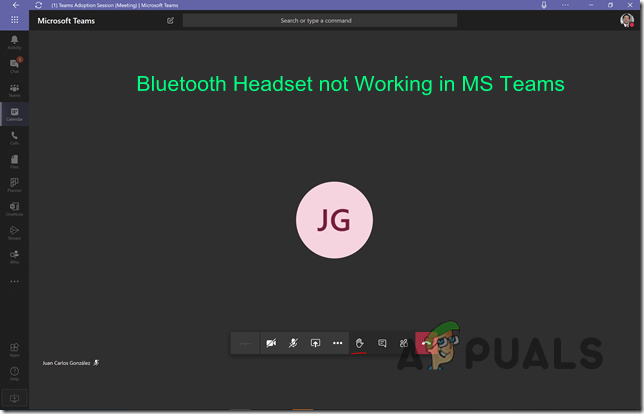
Usually, it’s because Teams hasn’t chosen the right device in ‘Devices‘ settings. Other reasons can be problems with Windows Bluetooth drivers or using an old version of Teams.
Pre-requisites:
Before trying the solutions below, please check the following:
- Ensure Bluetooth is turned on. You should see a message like “Now discoverable as <computer_name>”.
- Airplane mode is turned off.
- Your Bluetooth headset is within range of your PC.
- Make sure your Bluetooth headset is not too close to other USB devices, as they can sometimes interfere with the Bluetooth signal.
- Set your Bluetooth headset as the default audio playback device.
- Try turning Bluetooth off, then back on after a few seconds.
- Remove your Bluetooth headset from the device list, then add it back again.
- Pause or turn off other devices or services using Bluetooth, such as file sharing.
1. Disable Bluetooth LE Enumerator
To help fix the problem, you can adjust Bluetooth settings using Device Manager. This will force your headset to use only the Microsoft Bluetooth Enumerator service, which has helped many users. Here’s how:
- Unpair your Bluetooth headset from the PC.
- Press Windows + X on your keyboard, then select Device Manager. Device Manager is used to manage all the devices connected to your Windows PC.
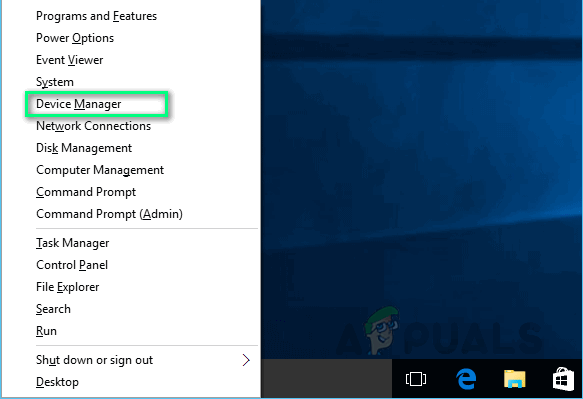
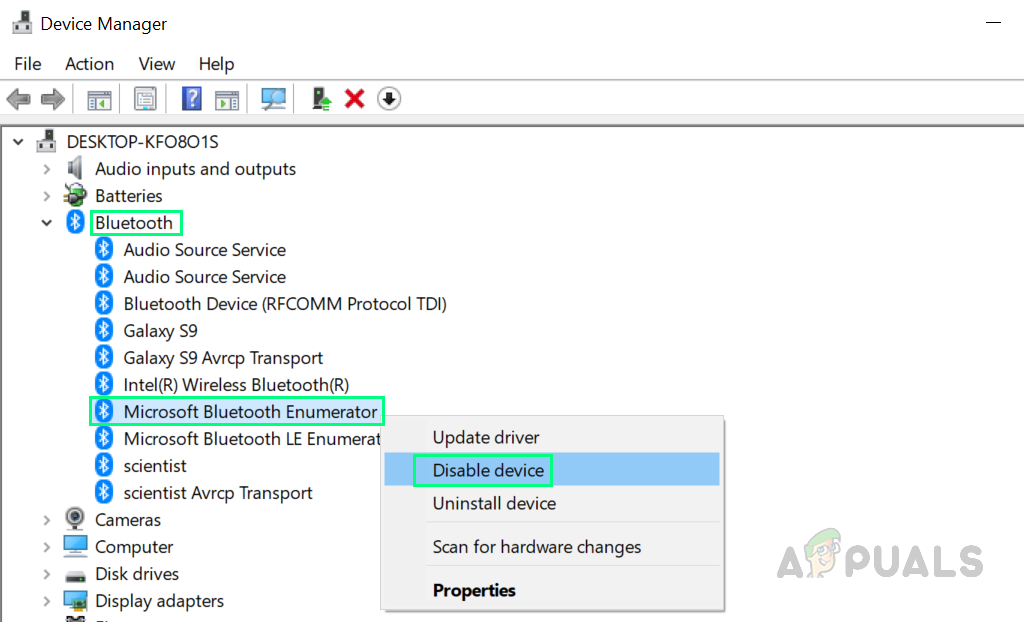
Opening Device Manager - Expand the Bluetooth section, right-click on Microsoft Bluetooth LE Enumerator, and select Disable device.
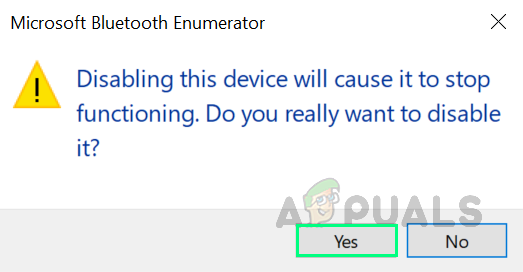
Disabling Microsoft Bluetooth Enumerator Device - A confirmation window will appear. Click Yes to disable the Microsoft Bluetooth LE Enumerator. This driver is mainly used for low-power communication, but disabling it can resolve audio problems in Teams.
Confirming Disable Action - Pair your Bluetooth headset with your PC again.
- Open Microsoft Teams and make a test call.
2. Configure MS Teams Media Permissions
MS Teams requires permission to access your camera, microphone, and speakers. If these permissions are turned off, Teams can’t use your headset properly.
- Click Start, search for Microsoft Teams, and open it.
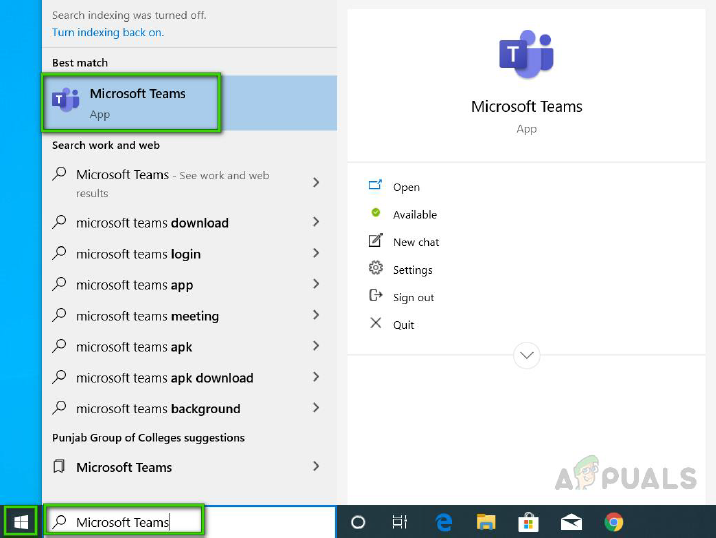
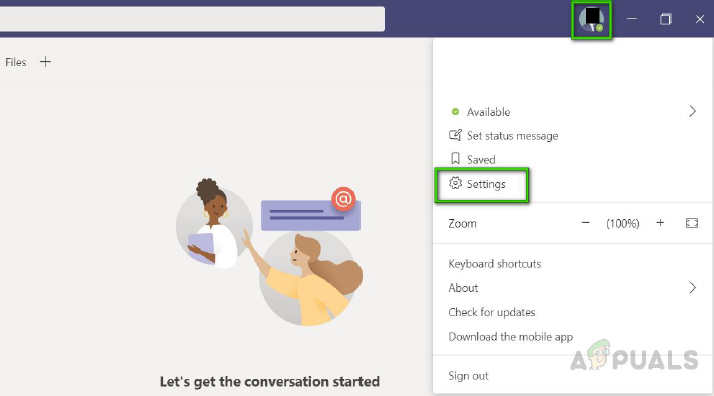
Opening MS Teams Application - Click your profile picture in the top right, and select Settings. This opens all Teams settings including General, Privacy, Notifications, and Permissions.
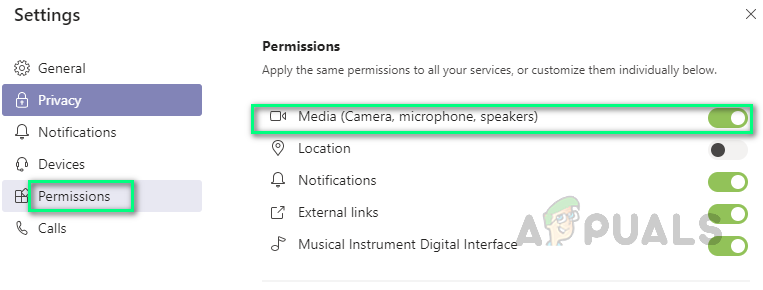
Opening MS Teams Settings - Go to Permissions and turn on Media (Camera, microphone, speakers) Permissions. This lets Teams access the headset’s microphone and speakers.
Turning Media Permissions On in MS Teams - Pair your Bluetooth headset with your PC again.
- Your Bluetooth headset should now work with Teams.
- Open Microsoft Teams and make a test call. If it still doesn’t work, go to the next solution.
Solution 3: Allow Microphone Access for Windows Applications
As mentioned earlier, MS Teams needs permission to use your PC’s microphone for voice and video calls. Without these permissions, the headset’s audio may not work in Teams. Here’s how to make sure microphone access is enabled:
- Press Windows + I to open Windows Settings.
- Click on Privacy in the settings menu.
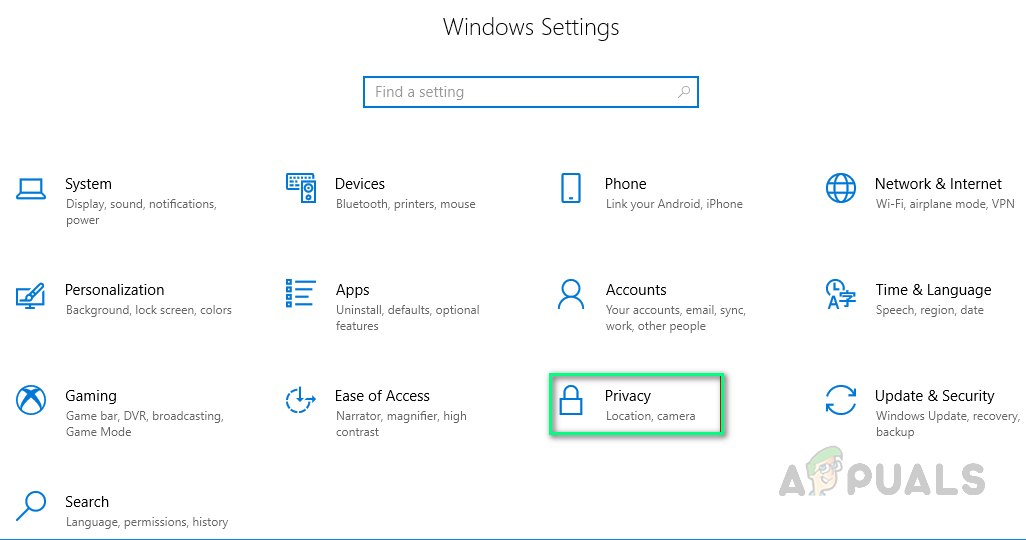
Opening Windows Privacy Settings - Select Microphone from the side menu, then turn on Allow apps to access your microphone. This allows Windows Store apps (like Skype, Voice Recorder, etc.) to use your microphone.
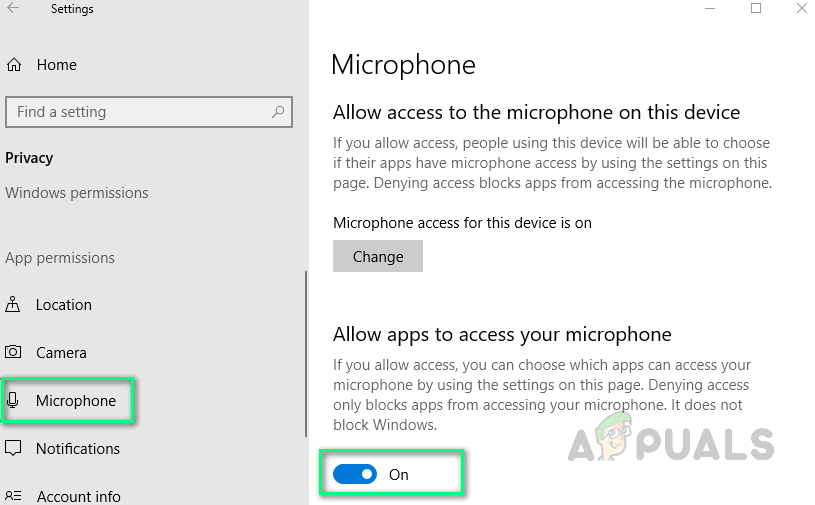
Turning on the Allow Apps to Access Microphone Option - Scroll down and also turn on Allow desktop apps to access your microphone. This lets traditional desktop applications (including MS Teams and web browsers) use your microphone.
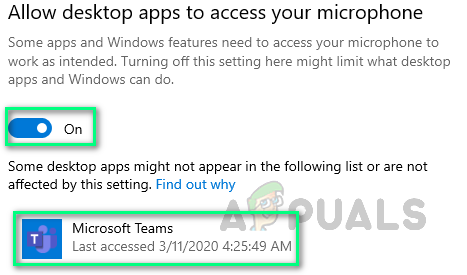
Turning on Allow Desktop Apps to Access Your Microphone Option - Finally, open Microsoft Teams and make a test call. Your Bluetooth headset should now be working properly with MS Teams.


Disable the LE or the non-LE? Your example shows the opposite of what your text recommends. Please clarify which one we should disable. Thanks, I’ll try both and update here if I find the one that works.